Improving Safety in Waste & Recycling Operations Starts with the Right Equipment and Practices
Safety is one of the biggest ongoing challenges in waste and recycling operations. From navigating busy city streets to handling heavy loads and operating complex equipment, waste management teams face daily risks that can lead to injuries, vehicle damage, downtime, and regulatory issues.
For municipal fleets, industrial facilities, and private contractors across California, Nevada, and Arizona, improving safety isn’t just about compliance—it’s about protecting employees, extending equipment life, and maintaining reliable service for the communities and customers you serve.
At Haaker Refuse, we work closely with fleet managers and operations leaders throughout the Western U.S. to identify equipment, technologies, and service strategies that directly improve safety while supporting productivity and long-term ROI. Below are five proven ways to improve safety for your waste management team, with practical, equipment-focused solutions.
1. Upgrade to Modern Refuse Trucks with Built-In Safety Technology
The Problem
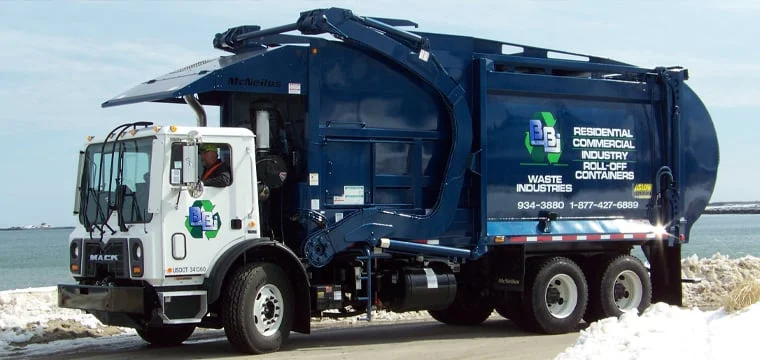
Older refuse trucks often lack the visibility, braking systems, and operator-assist technology needed for today’s traffic conditions. Limited sightlines and delayed reaction times increase the risk of collisions, especially in dense urban routes.
The Solution
Modern refuse and recycling trucks are designed with safety-first engineering, including:
-
Advanced camera and mirror systems
-
Improved cab ergonomics and visibility
-
Enhanced braking and stability control
-
Backup alarms and proximity sensors
Equipment Benefits
Newer equipment reduces driver fatigue, minimizes blind spots, and lowers accident rates—especially on residential and high-traffic routes common throughout Southern California and urban Nevada markets.
2. Improve Operator Training with Equipment-Specific Support
The Problem
Even the best equipment can become a safety risk if operators aren’t properly trained. Inconsistent training leads to improper loading, unsafe driving habits, and increased wear on critical components.
The Solution
Partnering with an experienced refuse equipment dealer ensures access to equipment-specific training, not just generic safety guidelines. Training should cover:
-
Safe operation of automated and rear-loader bodies
-
Proper use of controls and safety interlocks
-
Preventive inspection routines
Equipment Benefits
Well-trained operators experience fewer incidents, faster route completion, and longer equipment life—all while maintaining OSHA and municipal compliance standards.
3. Use Preventive Maintenance to Eliminate Safety Failures
The Problem
Brake failures, hydraulic leaks, and worn components are major contributors to accidents and roadside breakdowns. Reactive maintenance increases risk and disrupts service schedules.
The Solution
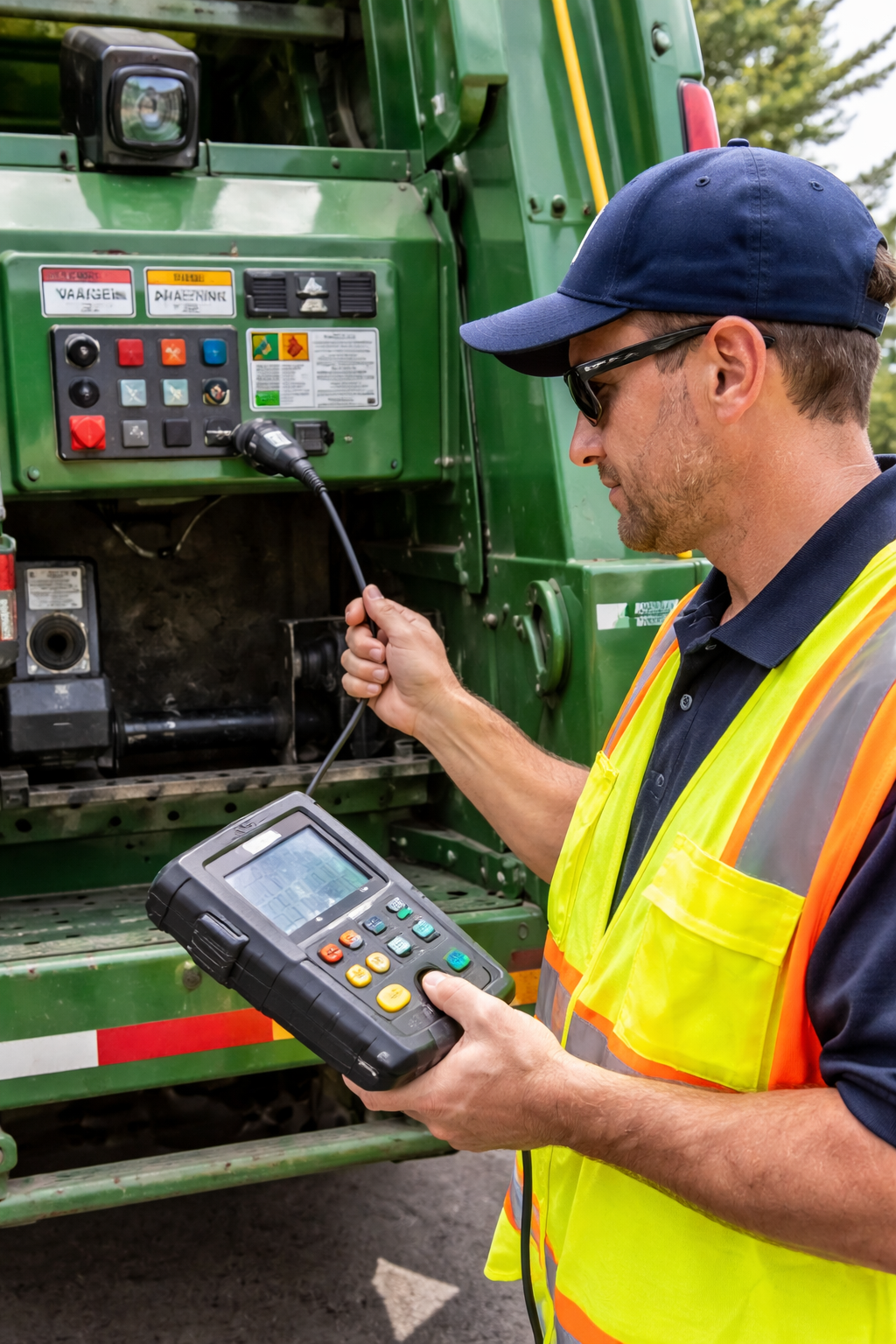
A structured preventive maintenance program helps identify safety issues before they become failures. This includes:
-
Regular brake and steering inspections
-
Hydraulic system checks
-
Safety system testing
-
Scheduled service intervals based on duty cycle
Equipment Benefits
Preventive maintenance improves vehicle reliability, reduces emergency repairs, and ensures trucks meet safety and environmental regulations across California, Arizona, and Nevada.
4. Match the Right Truck and Body to the Job
The Problem
Using the wrong type of refuse truck for a route increases operator strain and safety risks. Tight residential streets, commercial dumpsters, and industrial facilities all require different configurations.
The Solution
Choosing the correct equipment—automated side loaders, front loaders, or rear loaders—based on route conditions is critical. Proper matching reduces:
-
Repetitive strain injuries
-
Unsafe manual handling
-
Traffic exposure for operators
Equipment Benefits
Optimized equipment selection leads to safer workflows, fewer injuries, and improved route efficiency for both municipal and private fleets.
5. Work with a Dealer That Provides Long-Term Safety Support
The Problem
Many fleets purchase equipment but lack ongoing support, leaving safety improvements stagnant over time.
The Solution
A long-term dealer partner provides:
-
Ongoing safety upgrades and retrofits
-
Access to OEM parts
-
Service support that minimizes downtime
-
Expert guidance as regulations and routes evolve
Why Haaker Refuse Is the Trusted Safety Partner in the Western U.S.
Haaker Refuse has decades of experience supporting municipalities, contractors, and industrial operations throughout California and Arizona. Our team goes beyond equipment sales to provide:
-
Deep regional knowledge of routes, regulations, and operating conditions
-
Comprehensive sales, parts, and service support
-
Long-term partnerships focused on fleet safety, uptime, and ROI
Contact our team today through the Haaker Contact Page to discuss safety-focused equipment solutions for your operation.
Frequently Asked Questions (FAQ)
How can refuse trucks improve worker safety?
Modern refuse trucks include enhanced visibility, automated loading, and safety interlocks that reduce manual handling and collision risks.
What type of refuse truck is safest for residential routes?
Automated side loaders are often the safest option for residential routes because they reduce operator exposure to traffic and manual lifting.
How often should refuse trucks be serviced for safety?
Preventive maintenance schedules should follow OEM guidelines and route intensity, typically ranging from weekly inspections to quarterly in-depth service.
Does preventive maintenance really reduce accidents?
Yes. Regular inspections help catch brake, steering, and hydraulic issues before they lead to unsafe operating conditions.
Why is dealer support important for fleet safety?
A knowledgeable dealer provides training, parts availability, and service expertise that keeps safety systems operating as designed.