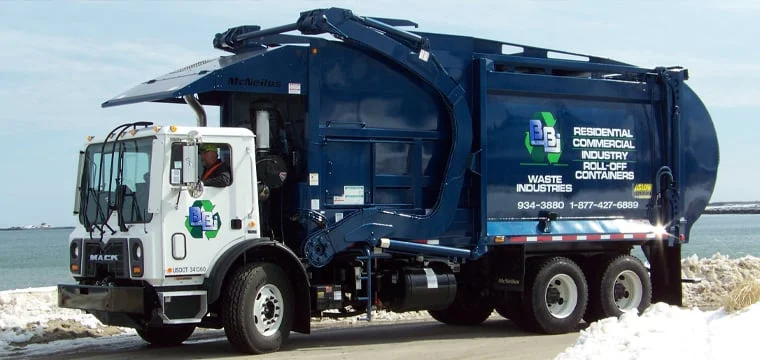
Real-time visibility in vehicle fleet management allows managers to track and control both individual vehicles and the entire fleet. This ensures immediate responses to road conditions, delivery delays, or mechanical issues. By staying informed in the moment, fleet managers can adapt schedules and reroute vehicles as needed. Connectivity among vehicles and systems plays a key role, enabling streamlined communication. Fleet managers can share updates or instructions instantly, reducing downtime and improving coordination. Tools like the McNeilus Side Loader Automated/Manual Series offered by Haaker Refuse across Los Angeles, San Diego, Central Valley, and Phoenix integrate with fleet solutions to enhance visibility and efficiency. This dual-operation series provides flexibility for both manual and automated tasks, while its compatibility with various systems ensures smoother operations. With connected tools like this, managing fleets becomes less about reacting and more about optimizing every movement.
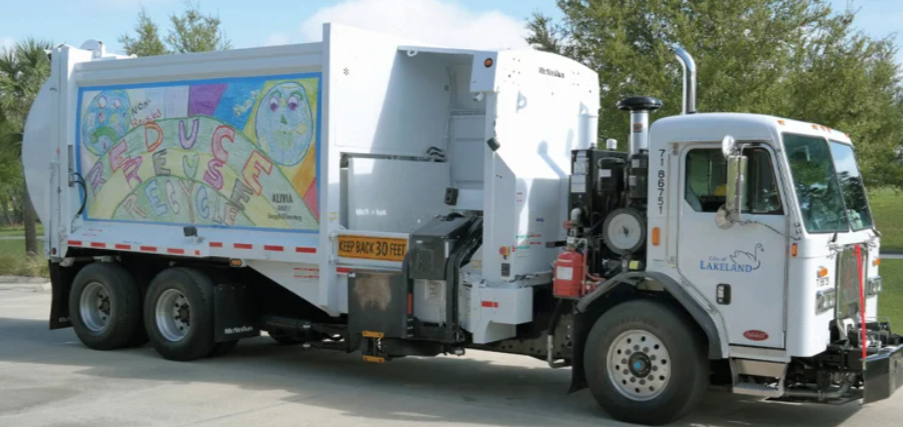
Fleet Connectivity
Connected vehicle technology is transforming fleet management by tackling issues that impact efficiency, safety, and cost. Real-time route optimization helps fleets adjust to traffic and weather, cutting fuel use and preventing delivery delays. These systems bring a mix of benefits and challenges. On the plus side, connected fleets streamline operations with insights like vehicle performance, location tracking, and fuel management. For example, Mack Trucks’ Mack Connect provides a centralized hub for data, helping fleets manage health and performance for their trucks. However, hurdles like legacy system compatibility and integration costs create friction for businesses trying to adopt these tools. Older technology often struggles to sync with modern systems, adding complexity to mixed fleets. Security is another major concern. Without strong safeguards, fleets risk exposing sensitive data like driver info, locations, and operational stats to outside threats. Cyberattacks could undo the gains of connected systems, making cybersecurity non-negotiable. Any fleet looking to adopt connected technology should weigh the long-term opportunities against upfront costs. The right strategy and tools can deliver major improvements, but only if companies address these challenges head-on.
Streamlining Fleet Communications
As transportation faces growing environmental concerns, smart mobility offers solutions that address efficiency, sustainability, and safety in fleet management. Reducing urban congestion, it uses improved infrastructure and optimized travel to prevent delays caused by traffic jams, ensuring more effective fleet operations. Increased adoption of electric vehicles (EVs) and shared transportation directly reduces harmful emissions, aligning with environmental goals. Enhanced safety measures, like surveillance systems and sensors, help monitor fleets more effectively, minimizing risks on the road. IoT-based connectivity improves communication between drivers and managers, fostering better coordination and real-time decision-making. Smart mobility further empowers fleet managers with accurate data for smarter route planning, adapting to changing traffic patterns and maximizing efficiency. These advancements work together, proving smart mobility is more than a trend—it’s a necessary shift for a cleaner, safer, and more efficient transportation future.
Managing connected fleets requires robust technology and thoughtful integration. IoT sensors produce vast amounts of data during operations. By applying advanced data analytics, companies can extract actionable insights from this information. Real-time analytics supports quick decisions, optimizing routes and scheduling maintenance efficiently. It can cut both downtime and operating costs. Predictive analytics uses historical data to improve planning, including forecasting repairs or fuel requirements. This helps allocate resources smartly and prevents potential disruptions. Autonomous technologies and AI will further enhance fleet operations. They reduce human error, improve safety, and bring greater efficiency. These systems adapt easily to logistical challenges, supporting smoother supply chain operations. Businesses must adopt these technologies in stages, ensuring steady progress without disrupting daily operations. Prioritizing areas like fuel management and repair scheduling creates quick returns and proves value early in the process. Connected fleets provide the tools to meet both current demands and future growth needs.
The McNeilus Side Loader Manual / Automated (MA) Series
Managing a fleet today demands smart technology, and CLEARSKY by McNeilus delivers with unmatched fleet monitoring. CLEARSKY’s telematics and fleet management tools provide real-time data to improve efficiency, performance, and safety. Its live data streams and interactive dashboards use proprietary CODE software to simplify operations and maintenance. The McNeilus CODE system, offered on the Manual/Automated (MA) Side Loader, provides advanced truck diagnostics and troubleshooting. This system also includes an optional cart tipper for easier manual loading. The MA Side Loader features a user-friendly automated arm and manual loading mechanism, making it adaptable to various tasks. Its low hopper sill allows easy manual loading of extra waste during residential pickups. For added flexibility, operators can collect from both sides of the street using the optional cart tipper. Available without the automated arm, this truck can function as a manual loader, ideal for specific tasks like single-man or recycling routes. Its drop frame and ergonomic design support fast, efficient work with minimal effort. This system redefines how fleet managers operate by combining control, convenience, and capability.
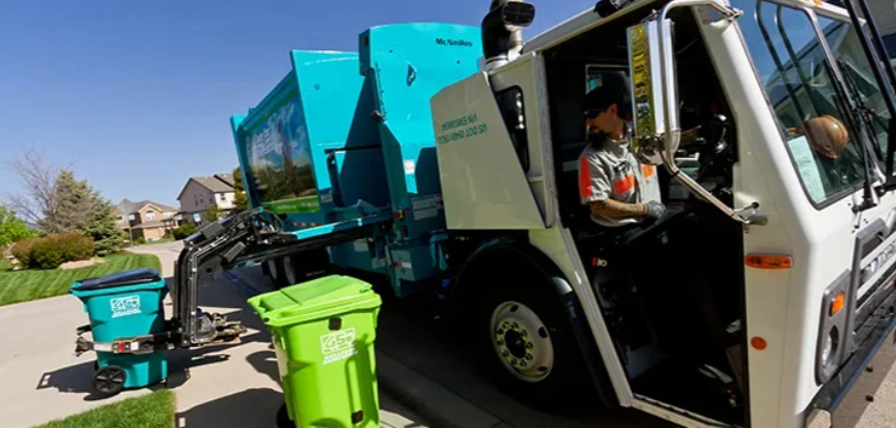
Reviewing fleet connectivity starts with evaluating how trucks communicate, gather data, and improve daily operations. For waste management vehicles like the McNeilus Manual/Automated Side Loader, streamlining these processes is essential to reduce downtime and enhance efficiency. Advanced tracking systems, automated diagnostics, and simplified maintenance schedules can save operators time and money. The McNeilus M/A Side Loader integrates technology that supports consistent performance while ensuring drivers and managers stay informed through reliable fleet insights. These features mean less interruption and better decision-making. With Haaker Refuse, you’ll get experienced support to optimize your fleet. If you’re ready, just message us or call us at (909) 598-2706 today.