
Making the Right Equipment Decision for Performance, Cost, and Long-Term Reliability
Choosing the right refuse truck is one of the most critical decisions fleet managers, public works leaders, and waste operations professionals make. The wrong truck configuration can lead to higher maintenance costs, inefficient routes, compliance issues, and unnecessary downtime. The right refuse truck, on the other hand, improves collection efficiency, extends vehicle life, supports safety and emissions compliance, and delivers measurable return on investment.
For municipalities, industrial operators, and private contractors across California, Nevada, and Arizona, refuse collection needs vary widely by route density, material type, labor availability, and regulatory requirements. This guide breaks down how to choose the right refuse truck for your fleet—and how Haaker Refuse helps ensure that choice delivers long-term value.
Understanding Refuse Truck Types and Their Operational Benefits
Selecting the right refuse truck starts with understanding how different body styles and configurations align with your routes and waste streams.
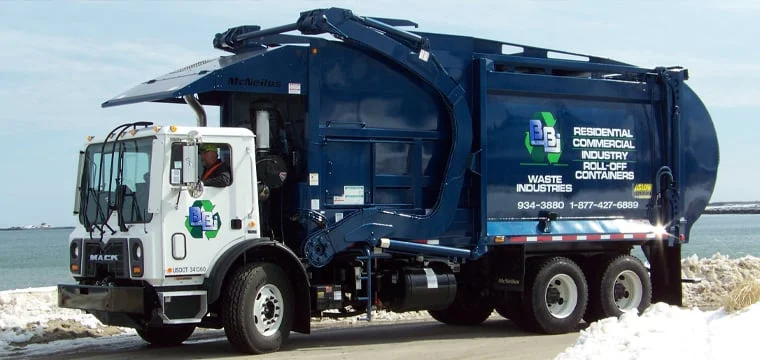
Front Loader Refuse Trucks
Front loaders are ideal for commercial and industrial applications where large containers are serviced at centralized locations.
Key benefits:
-
High lifting capacity for large dumpsters
-
Faster service at commercial stops
-
Strong compaction ratios for dense waste
-
Reduced stop frequency on optimized routes
Front loaders are commonly used in industrial parks, shopping centers, and manufacturing facilities across the Western U.S.
Rear Loader Refuse Trucks
Rear loaders offer flexibility and durability, making them a staple for municipal and residential collection.
Key benefits:
-
Manual or automated loading flexibility
-
Lower upfront cost compared to automated systems
-
Ideal for variable routes and tight spaces
-
Proven durability for mixed waste streams
Municipalities often rely on rear loaders for special collections, bulky items, and legacy routes.
Automated Side Loader (ASL) Refuse Trucks
Automated side loaders are increasingly popular for residential and municipal fleets focused on efficiency and labor optimization.
Key benefits:
-
One-operator collection
-
Improved safety and reduced injuries
-
Consistent route performance
-
Lower long-term labor costs
ASLs are especially effective in suburban and urban California neighborhoods with standardized carts.
Key Factors to Consider When Choosing a Refuse Truck
Route Design and Collection Density
Urban routes with high stop frequency benefit from automated systems, while rural or industrial routes may require higher-capacity bodies and flexible loading options.
Waste Type and Volume
Green waste, recyclables, C&D debris, and MSW all place different demands on compaction, body design, and chassis selection.
Regulatory and Emissions Compliance
California and neighboring states have strict emissions regulations. Selecting trucks that meet CARB and regional air quality standards is essential for compliance and future-proofing your fleet.
Total Cost of Ownership (TCO)
The right refuse truck balances purchase price with maintenance costs, fuel efficiency, uptime, and resale value.
Applications and Use Cases Across the Western U.S.
Municipal Fleets
Cities and public works departments need reliable refuse trucks that support residential collection, recycling programs, and organics diversion—while meeting strict emissions and safety standards.
Industrial Operations
Manufacturing plants, distribution centers, and industrial facilities require high-capacity trucks built for heavy loads and predictable service cycles.
Contractors and Utilities
Private haulers and utility contractors need flexible, durable equipment that can handle diverse routes and customer requirements while minimizing downtime.
Regional Considerations
In California, Nevada, and Arizona, fleets must account for heat, terrain, air quality regulations, and long service intervals—making equipment durability and service support critical.
Why Choose Haaker Refuse
Haaker Refuse is more than an equipment dealer—we are a long-term fleet partner for waste and recycling professionals across the Western U.S.
Why fleets choose Haaker:
-
Deep regional expertise in California, Nevada, and Arizona
-
Industry-leading refuse truck brands and configurations
-
Dedicated parts and service support to maximize uptime
-
Knowledgeable sales teams who understand real-world routes
-
Long-term partnership approach—from spec’ing to lifecycle support
Whether you’re expanding your fleet, replacing aging assets, or transitioning to new collection methods, Haaker Refuse helps you choose equipment that works today and performs for years to come.
Learn more or speak with a Haaker specialist on our Contact Page
Frequently Asked Questions
What is the best refuse truck for residential routes?
Automated side loader refuse trucks are often the best choice for residential routes due to labor efficiency, safety, and consistent performance.
How do I choose between front loader and rear loader trucks?
Front loaders are best for commercial and industrial applications, while rear loaders offer flexibility for municipal and mixed-use routes.
Are refuse trucks required to meet emissions standards?
Yes. Fleets in California and surrounding states must comply with CARB and regional emissions regulations when purchasing new refuse trucks.
How long does a refuse truck typically last?
With proper maintenance, refuse trucks can operate effectively for 8–12 years, depending on duty cycle and service support.
Can Haaker help with parts and service after purchase?
Yes. Haaker provides full parts availability and professional service support to keep your fleet running at peak performance.
