Keeping Refuse Fleets Reliable, Compliant, and Cost-Effective in the Western U.S.
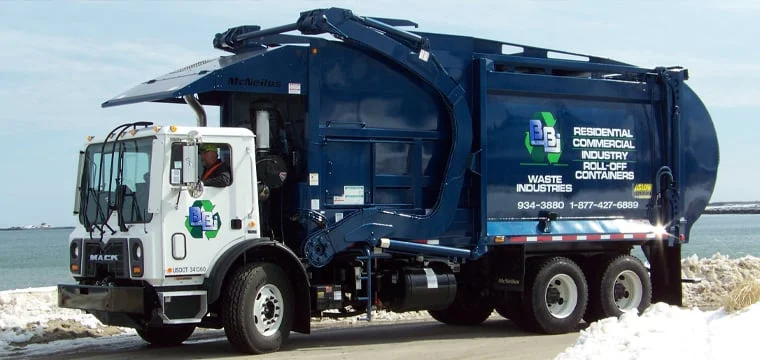
Refuse trucks operate in some of the harshest conditions of any commercial fleet. Stop-and-go routes, heavy payloads, hydraulic systems under constant pressure, and exposure to dust, debris, and corrosive materials all accelerate wear. For municipalities, private haulers, and contractors across California, and Arizona, poor maintenance isn’t just inconvenient—it leads to unplanned downtime, safety risks, and higher total cost of ownership.
The solution is a proactive, equipment-specific maintenance strategy designed around real-world refuse operations. With decades of experience supporting refuse fleets in the Western U.S., Haaker Refuse helps customers extend vehicle life, maintain compliance, and maximize uptime. Below are 10 proven maintenance tips that directly impact the performance and longevity of refuse trucks and bodies.
Understanding Refuse Vehicle Maintenance Challenges
Why Refuse Vehicles Require Specialized Maintenance
Unlike standard commercial trucks, refuse vehicles integrate:
-
High-pressure hydraulic systems
-
Compaction mechanisms
-
Automated cart tippers
-
PTO-driven components
-
Complex electrical and control systems
Each subsystem must work in sync. Neglecting one area often causes cascading failures elsewhere—turning small issues into major repairs.
The ROI of Preventive Maintenance
Proper maintenance improves:
-
Vehicle lifespan
-
Route reliability
-
Fuel efficiency
-
Operator safety
-
Regulatory compliance
For fleet managers, maintenance isn’t a cost center—it’s a performance strategy.
Top 10 Maintenance Tips for Refuse Vehicles
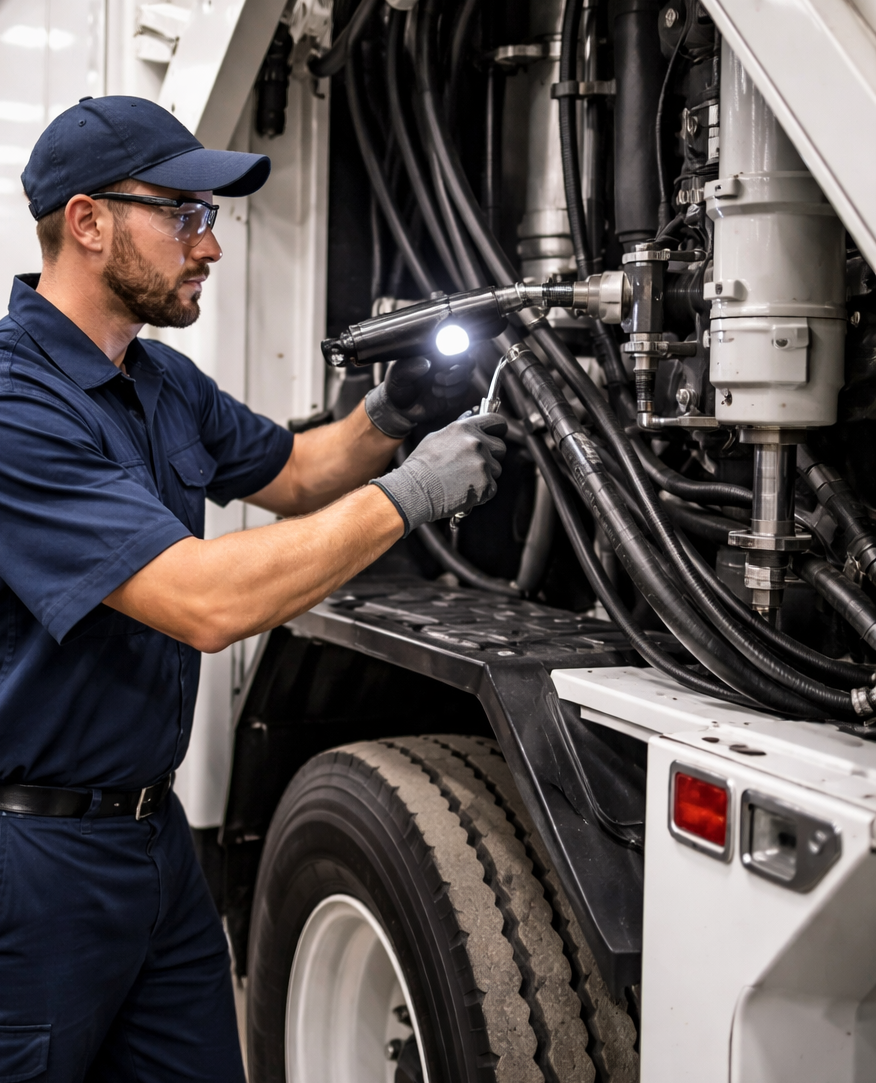
1. Inspect Hydraulic Systems Daily
Hydraulics are the backbone of refuse equipment. Daily inspections should check:
-
Hoses and fittings for leaks
-
Fluid levels and contamination
-
Cylinder seals and wear
Early detection prevents catastrophic failures and costly downtime.
2. Follow Manufacturer PM Schedules
Refuse bodies and chassis manufacturers provide preventive maintenance intervals for a reason. Skipping service intervals accelerates wear on:
-
PTO components
-
Pumps and valves
-
Bearings and compaction mechanisms
Haaker’s service teams align maintenance plans with OEM guidelines to protect warranties and performance.
3. Keep Compaction Chambers Clean
Debris buildup causes uneven compaction, increased stress on components, and corrosion. Regular cleaning:
-
Reduces mechanical strain
-
Improves compaction efficiency
-
Extends body life
This is especially important in coastal or high-heat regions like Southern California and Arizona.
4. Monitor Electrical Systems and Sensors
Modern refuse vehicles rely on sensors, cameras, and control modules. Routine diagnostics help prevent:
-
Faulty cart tippers
-
Inoperable safety systems
-
Intermittent electrical failures
Preventive checks minimize unexpected route disruptions.
5. Lubricate Moving Components Frequently
Pins, hinges, and sliding surfaces experience constant motion. Proper lubrication:
-
Reduces friction and wear
-
Prevents seizing
-
Maintains smooth operation
Lubrication schedules should reflect route frequency and payload demands.
6. Track Brake and Suspension Wear
Stop-and-go refuse routes accelerate brake and suspension fatigue. Regular inspections ensure:
-
Safe stopping performance
-
Reduced tire wear
-
Improved vehicle handling
This is critical for urban municipal routes and high-density commercial service areas.
7. Use OEM or Approved Replacement Parts
Cutting corners with non-approved parts often leads to premature failures. OEM and approved components:
-
Fit correctly
-
Meet performance specifications
-
Maintain system integrity
Haaker’s parts departments stock refuse-specific components to keep fleets moving.
8. Train Operators on Daily Walkarounds
Drivers are the first line of defense. Operator training should include:
-
Pre-trip inspections
-
Identifying leaks or damage
-
Reporting abnormal sounds or performance
Early reporting reduces repair severity and cost.
9. Address Small Issues Immediately
Minor leaks, warning lights, or performance changes rarely fix themselves. Addressing issues early:
-
Prevents secondary damage
-
Reduces downtime
-
Lowers long-term maintenance costs
Reactive maintenance is always more expensive than proactive service.
10. Partner with a Refuse-Specific Service Provider
General truck shops often lack refuse equipment expertise. Working with a refuse-focused partner ensures:
-
Faster diagnostics
-
Proper repairs
-
Long-term equipment reliability
Applications & Use Cases
Municipal Fleets
Cities rely on dependable refuse vehicles to meet public service expectations. Preventive maintenance ensures consistent service, regulatory compliance, and budget predictability.
Industrial & Commercial Haulers
High-volume routes demand maximum uptime. Maintenance-driven reliability directly impacts customer satisfaction and contract retention.
Contractors & Utilities
Specialized routes and environments require tailored maintenance strategies to protect equipment investment.
Why Haaker Refuse
Haaker Refuse is more than an equipment dealer—we are a long-term fleet partner. With deep regional expertise across California, Nevada, and Arizona, we support customers with:
-
Expert refuse vehicle sales
-
OEM parts availability
-
Factory-trained service technicians
-
Preventive maintenance programs
-
Long-term fleet optimization support
Whether you operate a single truck or a regional fleet, Haaker helps extend equipment life and reduce operating risk.
Contact Haaker Refuse to schedule service, request parts, or discuss fleet maintenance strategies.
Frequently Asked Questions (FAQ)
How often should refuse vehicles be serviced?
Service intervals depend on route intensity, but most fleets require inspections weekly and preventive maintenance every 250–500 hours.
What causes the most refuse vehicle downtime?
Hydraulic failures, electrical issues, and neglected preventive maintenance are the most common causes.
Are OEM parts really necessary for refuse trucks?
Yes. OEM parts ensure compatibility, durability, and proper system performance—especially for hydraulics and compaction systems.
How can I reduce refuse vehicle maintenance costs?
Consistent preventive maintenance, operator training, and early issue detection significantly lower long-term repair costs.
Does climate affect refuse vehicle maintenance?
Absolutely. Heat, dust, and coastal conditions accelerate wear, making proactive maintenance even more critical in the Western U.S.