Introduction: The Safety Challenge in Waste Management
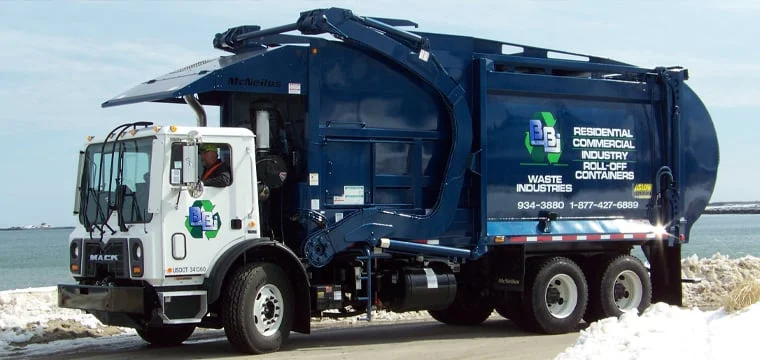
Operating refuse trucks comes with a unique set of challenges—tight streets, blind spots, heavy equipment, and frequent interaction with pedestrians, cyclists, and other vehicles. Safety isn’t optional; it’s a daily operational necessity. Accidents can cost fleets thousands in repairs, insurance, and downtime, while injuries risk serious liability.
Modern refuse trucks, however, integrate advanced safety technologies that protect operators, the public, and your bottom line. At Haaker Refuse, we provide municipal, industrial, and contractor fleets in California and Arizona with trucks designed to maximize safety and efficiency while meeting strict regulatory standards.
Key Safety Features in Modern Refuse Trucks
1. Backup Cameras and 360° Visibility Systems
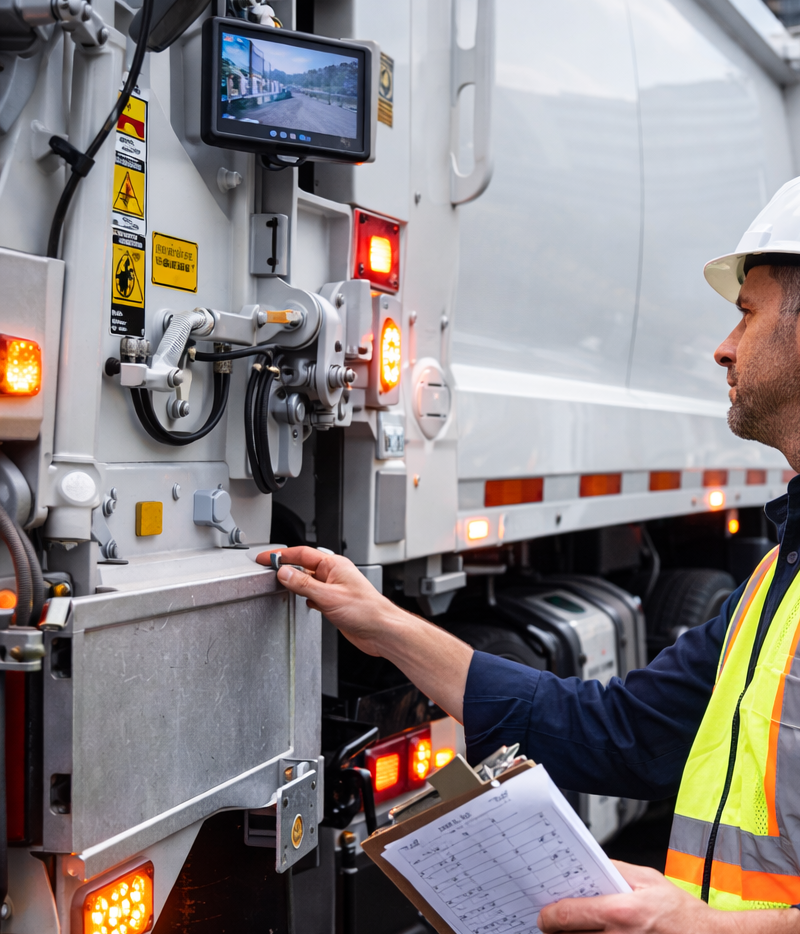
Blind spots are a leading cause of refuse truck accidents, particularly when maneuvering in tight urban areas or industrial sites. Modern trucks are equipped with high-resolution backup cameras, often paired with 360° surround-view systems.
-
How it works: Multiple cameras positioned around the truck feed real-time video to an in-cab display. Some systems include proximity alerts for pedestrians, vehicles, or obstacles.
-
Operational Benefits: Operators can see all sides of the truck, reducing collisions with parked cars, curbs, or street furniture. This feature is especially critical in high-density neighborhoods and industrial yards.
-
Real-World Example: A municipal fleet in Phoenix reduced backing incidents by over 50% after integrating a full camera system into their new Haaker trucks.
2. Automatic Braking and Collision Avoidance
Accidents caused by human reaction delays are common in refuse operations. Automatic braking systems, paired with collision avoidance sensors, detect potential impacts and engage brakes proactively.
-
How it works: Ultrasonic and radar sensors constantly scan for obstacles around the truck. If a potential collision is detected, the system alerts the driver and can apply brakes automatically if necessary.
-
Operational Benefits: Reduces the risk of vehicle damage and personal injury. Minimizes insurance claims and fleet downtime caused by preventable accidents.
-
Real-World Example: Industrial contractors in Las Vegas reported fewer minor collisions and equipment repairs after equipping their Haaker trucks with collision avoidance packages.
3. Side Guards and Automated Arm Sensors
Side guards prevent smaller vehicles, cyclists, or pedestrians from being drawn under the truck’s wheels. Meanwhile, automated arm sensors on front and side loaders ensure safe operation when lifting or emptying bins.
-
How it works: Sensors detect obstructions in the arm’s path and immediately halt movement if something is too close. Side guards provide a physical barrier between the wheels and traffic or pedestrians.
-
Operational Benefits: Reduces injuries and liability, particularly in dense city streets or high-traffic industrial areas. Enhances compliance with safety regulations in California, Nevada, and Arizona.
-
Real-World Example: A Haaker municipal client in Sacramento avoided potential injury incidents by retrofitting older trucks with arm sensors and side guards.
4. Enhanced Lighting and Reflective Visibility
Many refuse collection routes operate during early mornings or evenings when visibility is limited. LED work lights, high-intensity hazard flashers, and reflective striping ensure trucks are clearly seen by other drivers, pedestrians, and cyclists.
-
How it works: LED lighting improves visibility in all weather conditions and consumes less power than traditional lights. Reflective striping enhances truck recognition from a distance.
-
Operational Benefits: Reduces accidents in low-light conditions, increases compliance with local safety ordinances, and protects operators and the public.
-
Real-World Example: A Arizona contractor fleet reported significantly fewer roadside incidents after upgrading to high-visibility LED systems.
5. Driver Alert Systems
Human fatigue and distraction are significant risk factors. Advanced driver alert systems monitor patterns such as steering input, lane positioning, and reaction time to provide warnings or alerts when operator attention wanes.
-
How it works: Sensors track driving behavior, and audible/visual alerts notify the operator when signs of fatigue or lane deviation are detected. Some systems integrate with telematics for fleet-wide monitoring.
-
Operational Benefits: Reduces collisions caused by operator error, supports fleet safety policies, and provides data for proactive training or scheduling adjustments.
-
Real-World Example: Municipal fleets in Los Angeles using alert systems reported a measurable drop in near-miss incidents and improved driver awareness.
Applications & Use Cases
Municipal Operations
Cities must balance route efficiency with public safety. Features like cameras, side guards, and driver alerts reduce pedestrian incidents and prevent costly collisions, helping fleets meet regulatory requirements and community expectations.
Industrial & Utility Sites
On construction sites or large industrial campuses, trucks navigate narrow lanes and crowded areas. Automatic braking, collision avoidance, and enhanced lighting reduce accidents and downtime.
Contractor Fleets
Contractors serving commercial clients benefit from safer operations, lower insurance claims, and improved employee safety. Safety technologies also help contractors win client trust, positioning them as reliable, safety-conscious service providers.
Why Choose Haaker Refuse
Haaker is more than a truck supplier—we’re your regional partner in fleet safety and efficiency. Serving California and Arizona, we provide:
-
Expert guidance in selecting trucks with advanced safety features
-
Comprehensive parts, maintenance, and service support
-
Long-term partnership to optimize fleet safety and compliance
Our team ensures your fleet operates safely, efficiently, and reliably. Contact our regional experts to learn how Haaker can enhance your operations.
FAQ: Safety Features in Refuse Trucks
1. What are the most important safety features on Haaker trucks?
Backup cameras, collision avoidance, automated arm sensors, side guards, enhanced lighting, and driver alert systems.
2. Can older trucks be upgraded with these safety technologies?
Yes, many features—including cameras, sensors, and lighting—can be retrofitted to enhance existing fleets.
3. How do safety features improve operational efficiency?
By reducing accidents, downtime, and repair costs, fleets save money while improving route performance and compliance.
4. Are Haaker trucks compliant with Western U.S. municipal safety standards?
Yes. Trucks meet California, Nevada, and Arizona regulations for municipal, industrial, and contractor use.
5. How does Haaker support long-term fleet safety?
Through parts availability, expert maintenance services, and guidance on integrating and optimizing safety technologies.