What Is Payload Optimization?
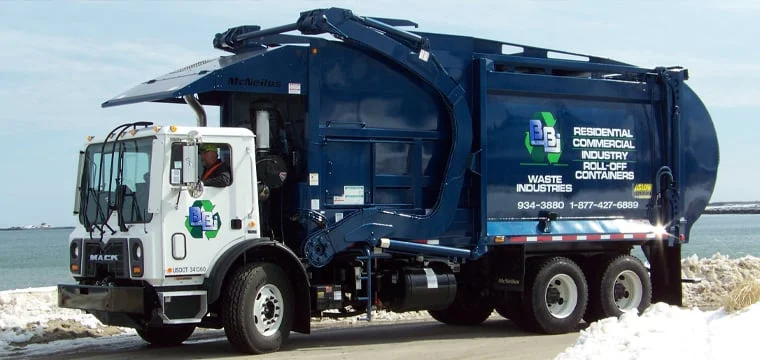
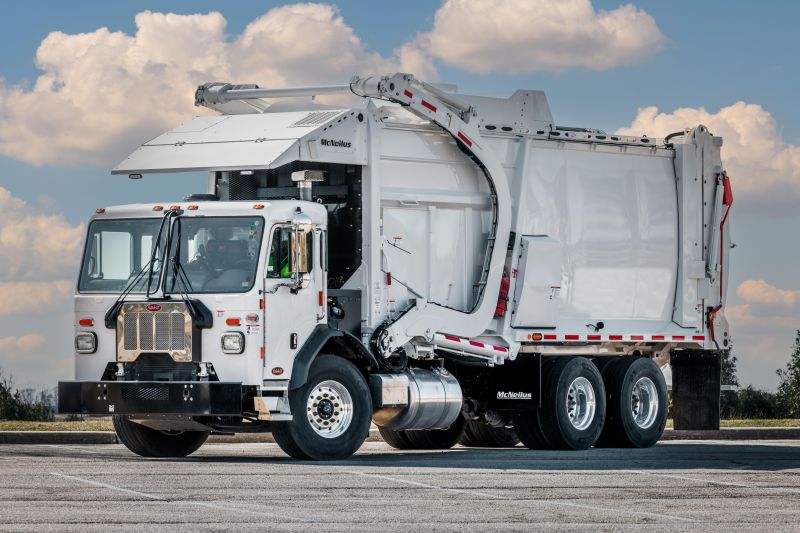
Payload optimization refers to how effectively a refuse truck uses its allowable weight capacity throughout a collection route. An optimized payload allows the truck to:
-
Stay within legal axle and gross vehicle weight limits
-
Fully utilize body volume and compaction capacity
-
Complete routes with fewer dump trips
-
Reduce unnecessary wear on the chassis and drivetrain
When payload is poorly managed, fleets experience early weight-outs, underutilized body volume, and inefficient routing—all of which directly impact productivity.
Payload Distribution: Balancing Weight for Performance and Longevity
Why Weight Distribution Matters
Uneven weight distribution places excessive stress on axles, tires, suspension components, and braking systems. In refuse operations, this often occurs when payload concentrates toward the rear of the body or overloads a single axle prematurely.
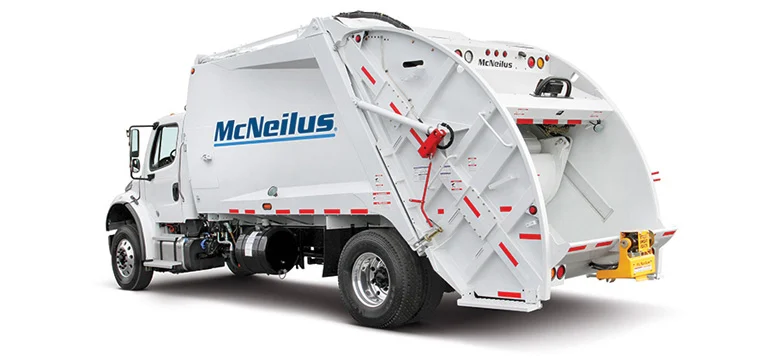
Modern refuse truck designs address this by engineering the body, packer, and hopper to move material evenly forward as compaction occurs.
Operational Benefits
-
Improved vehicle stability and handling
-
Reduced axle overload risk
-
Extended tire and suspension life
-
Better compliance with state and municipal weight regulations
For municipal fleets navigating residential streets or contractors operating on mixed-use routes, balanced payload distribution is essential for both safety and efficiency.
Axle Configurations: Maximizing Legal Payload Capacity
Matching Axle Design to Route Demands
Axle configuration plays a major role in how much weight a truck can legally carry. Single axles may be sufficient for lighter residential routes, but higher-volume operations often require tag axles or multi-axle configurations to support increased payloads.
Proper axle selection allows fleets to carry more material without exceeding limits on any single axle group.
How Axle Optimization Improves ROI
-
Fewer dump trips per route
-
Reduced fuel consumption
-
Increased daily route completion rates
-
Lower maintenance costs caused by overload-related failures
In regions like California, Nevada, and Arizona—where weight enforcement and road conditions vary—choosing the right axle configuration is critical for consistent performance.
Compaction Efficiency: Getting More Out of Every Load
The Role of Compaction Systems
Even with optimal weight distribution and axles, poor compaction can limit payload efficiency. Modern hydraulic compaction systems are designed to densify waste evenly, allowing trucks to fully utilize body volume before hitting weight thresholds.
Efficient compaction reduces air gaps, minimizes bridging, and ensures waste is packed uniformly throughout the body.
Benefits for Fleet Operations
-
Increased payload density
-
Fewer trips to disposal sites
-
Faster route completion
-
Reduced labor and fuel costs
For contractor fleets managing tight service windows or municipalities aiming to improve service consistency, compaction efficiency directly translates to measurable operational gains.
Applications & Use Cases
Municipal Fleets
Cities benefit from optimized payloads by completing residential routes with fewer disruptions, improving service reliability while staying compliant with weight regulations.
Industrial & Commercial Operations
Industrial sites generating dense or heavy waste require axle and compaction systems capable of handling high loads without sacrificing safety or equipment longevity.
Contractor Fleets
Contractors servicing multiple accounts gain flexibility and profitability when trucks can handle varied waste streams efficiently across long routes.
Why Haaker Refuse
Haaker Refuse is more than an equipment supplier—we are a long-term fleet partner for operations across the Western U.S. Our team provides:
-
Deep regional expertise in California and Arizona
-
Guidance on axle configurations and payload optimization strategies
-
Comprehensive parts and service support to minimize downtime
-
Equipment solutions tailored to route demands and operational goals
If you’re looking to reduce dump trips, increase route efficiency, and improve ROI, connect with our team through the Haaker Refuse contact page to discuss payload optimization for your fleet.
Frequently Asked Questions
How does payload optimization reduce operating costs?
By minimizing dump trips, reducing fuel consumption, and lowering wear on components, fleets significantly cut daily operating expenses.
What axle configuration is best for high-volume routes?
Tag axle or multi-axle configurations are typically best for high-volume or dense waste routes, as they allow higher legal payloads.
Can compaction efficiency really impact route length?
Yes. Better compaction increases payload density, allowing trucks to stay on route longer before needing to dump.
Is payload optimization different for residential vs. commercial routes?
Absolutely. Residential routes prioritize maneuverability and balanced loads, while commercial routes often require higher payload capacity and denser compaction.
How does Haaker help fleets optimize payload?
Haaker Refuse evaluates route demands, waste types, and regional regulations to recommend equipment configurations that maximize efficiency and compliance.