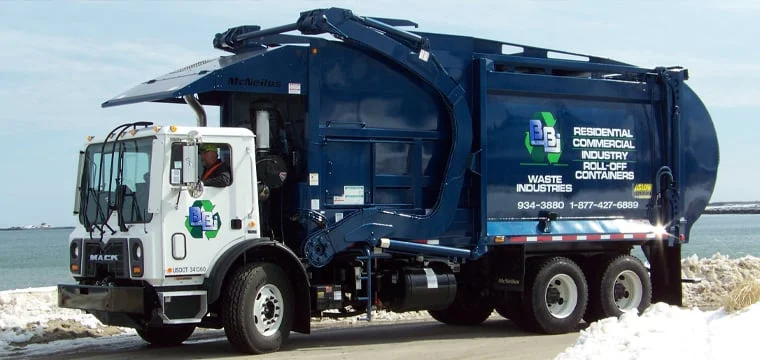
Most fleet managers know what a rear loader does. It pulls up to the curb, the crew loads refuse into the hopper, the blade rotates and compacts, and the truck moves to the next stop. That’s been the standard for decades. But split body rear loaders solve a problem that standard rear loaders cannot: collecting two different waste streams simultaneously in a single pass without a second truck. If your municipality runs co-collection routes (refuse and recyclables on the same day, same street), that single difference changes your route efficiency, labor costs, and vehicle wear in measurable ways.
This isn’t theoretical savings. A fleet that eliminates a second truck pass per route drops fuel consumption, reduces crew hours, and speeds service completion. That’s why more municipalities in California and Arizona are asking about split body models. And if your operation collects more than one waste stream per route, you should be asking too.
How a Standard Rear Loader Works
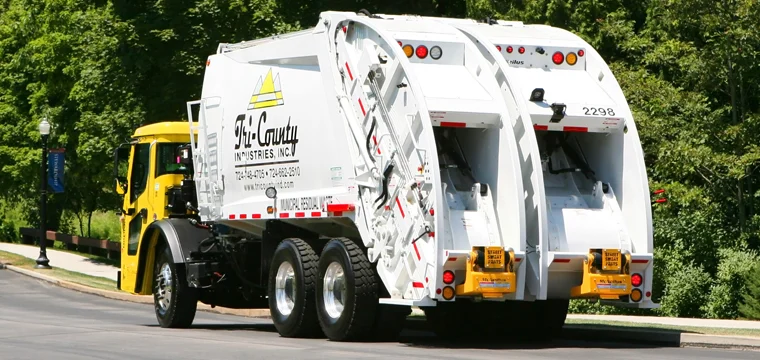
A standard rear loader has a single hopper and one compaction chamber. Refuse goes in, the rotating blade compacts it, and the hydraulics push the load toward the storage body. Simple, proven, versatile. The design works for refuse, landscaping debris, bulky waste, and more. Every route uses the same truck for one collection stream. If you’re collecting refuse and recycling on the same day, you need two trucks.
What Makes a Split Body Rear Loader Different
A split body rear loader divides the hopper and compaction system into two separate compartments. Each side operates independently with its own blade, hydraulics, and compaction cycle. One chamber handles refuse; the other handles recyclables (or any second waste stream your operation collects). The crew still works one route, one truck, one time. But the truck collects both streams simultaneously without mixing them.
The hydraulic and mechanical systems for each chamber are independent. That means you’re not sacrificing power, efficiency, or compaction on either stream. You’re getting full performance from both sides of the truck.
The Operational Case for Split Body
The efficiency math is straightforward. A municipality collecting refuse and recycling on residential routes can eliminate a second truck pass entirely. One truck, one route, two collections done in a single pass. That cuts fuel costs per collection event in half for that route. It means fewer crew hours per day, less road wear on your fleet, and faster service completion.
Consider a 200-stop residential route that currently takes two truck passes (one for refuse, one for recycling). With a split body, you handle it in one pass. That’s one less full route per day, per truck. Over a week, a month, a year, those hours and gallons add up. Your crew finishes earlier, your vehicles age slower, and your route schedules become predictable instead of stretched.
When a Split Body Makes Sense and When It Doesn’t
Split body rear loaders are right for your operation if you run co-collection routes (both waste streams collected on the same day, same street), your labor and fuel costs are under competitive pressure, or you want to consolidate and simplify your route structure. They’re also ideal if you’re thinking about adding a collection stream but don’t want to buy a second truck.
Split body makes less sense if your waste streams are collected on separate days, your routes are already separated by stream, or the operational benefit doesn’t justify the additional cost and complexity. If you collect refuse on Monday and recycling on Friday, a split body won’t help you. If your crews are already optimized and your routes aren’t overlapping, the investment might not return fast enough. Be honest about your collection model before deciding.
The McNeilus Split Body Series
The McNeilus Split Body rear loader is the proven choice for co-collection fleets in California and Arizona. It’s available exclusively through Haaker Refuse. McNeilus engineered the split body to maintain standard rear loader versatility and crew familiarity while adding the dual-chamber advantage. Each chamber has independent compaction, full hydraulic capacity, and the same durability that McNeilus is known for.
Your crew doesn’t retrain. The operation works like any rear loader they’ve used, except now they’re collecting two streams instead of one per pass. McNeilus built it with fleet flexibility in mind. You can adjust compaction cycles per chamber, switch collection streams if routes change, and maintain your existing service standards.
Is a Split Body Right for Your Routes?
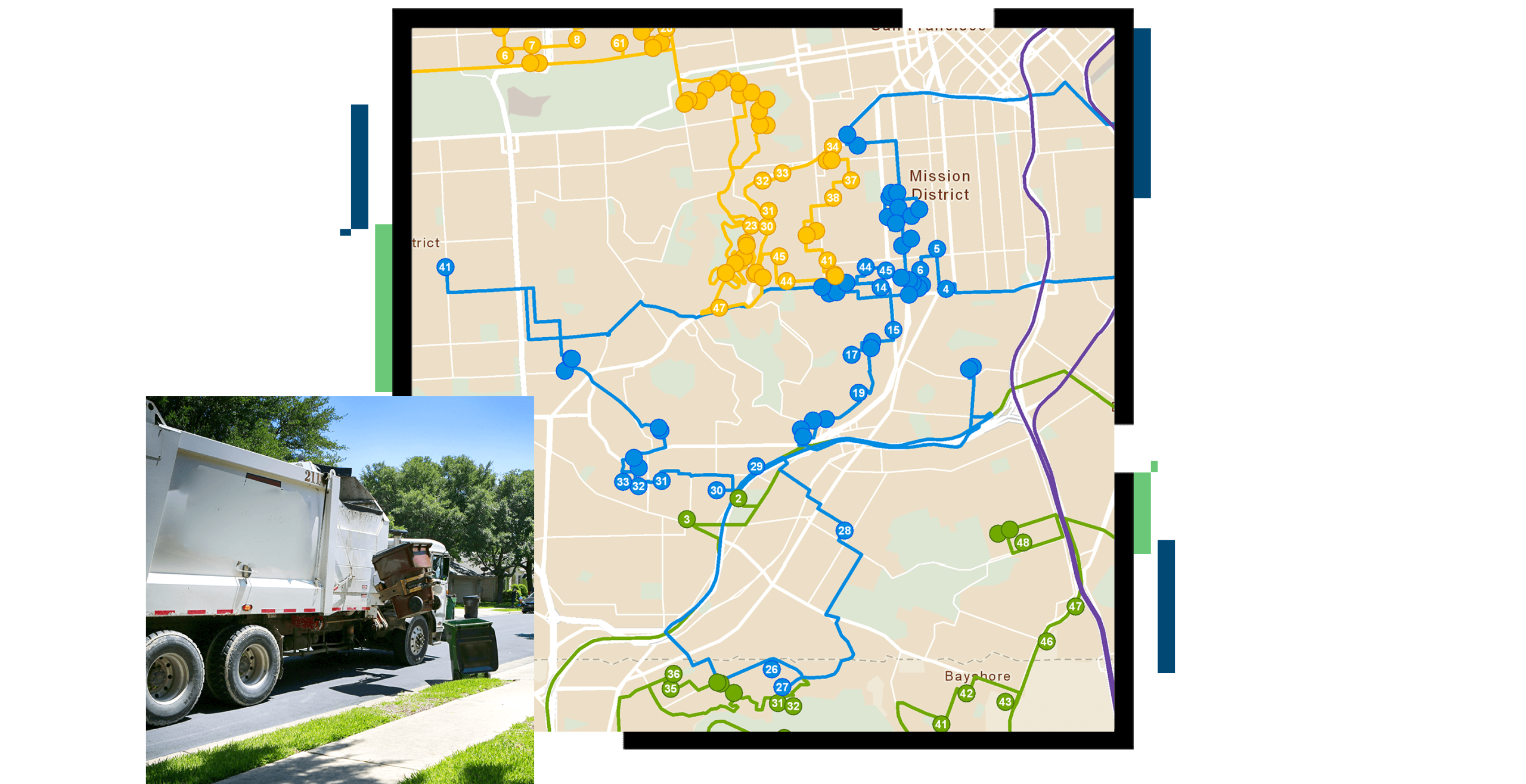
Here’s how to evaluate whether your current collection model would benefit. Map out your existing routes by collection stream. Count how many days per week each geographic area gets serviced. Calculate the total truck hours and fuel costs for current dual-stream collection. Then model a split body scenario with combined routes and see the labor and fuel difference.
This is where Haaker Refuse adds value. Before you commit, talk to our team. We’ll help you run the route math, understand the payback timeline, and ensure a split body fits your operation. The decision should be based on your actual routes and costs, not general assumptions.
Schedule a Consultation | Contact Our Team
Frequently Asked Questions
What is a split body rear loader garbage truck?
A split body rear loader is a waste collection truck with two independent hopper and compaction chambers. Each chamber collects a different waste stream (typically refuse and recycling) simultaneously in a single route. The truck combines the functionality of two single-stream trucks into one vehicle.
How does a split body rear loader collect two waste streams at once?
The hopper is divided into two separate compartments, each with its own rotating compaction blade and hydraulic system. Crew members load refuse into one side and recyclables into the other. Both chambers operate independently and simultaneously. The truck compacts and transports both streams without mixing them.
Is a split body rear loader more expensive than a standard rear loader?
Yes, split body rear loaders cost more upfront than standard single-chamber models. However, the operational savings from eliminating a second truck pass per route often offset the capital cost within 2 to 4 years, depending on your fuel costs, labor rates, and collection volume. The payback calculation is specific to your operation.
What municipalities use split body rear loaders?
Municipalities across California and Arizona that run co-collection routes (refuse and recycling on the same day, same street) have adopted split body rear loaders. They’re most common in larger residential waste districts where route efficiency directly impacts service budgets. Mid-sized cities and counties have seen the greatest adoption.
Where can I buy a McNeilus Split Body rear loader in California?
The McNeilus Split Body rear loader is available exclusively through Haaker Refuse for California and Arizona markets. Contact our team to discuss specifications, availability, and financing options for your fleet.
Nobody works harder for you.