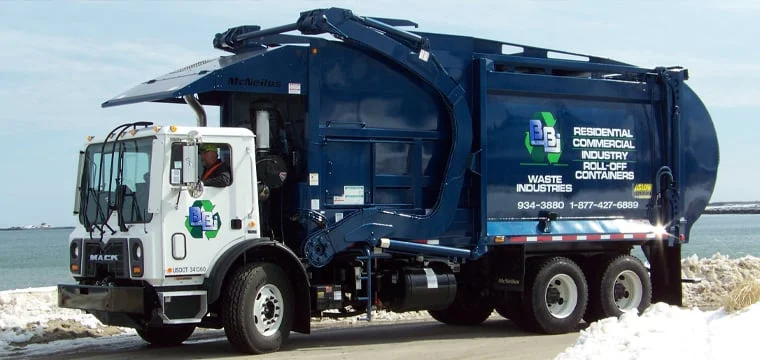
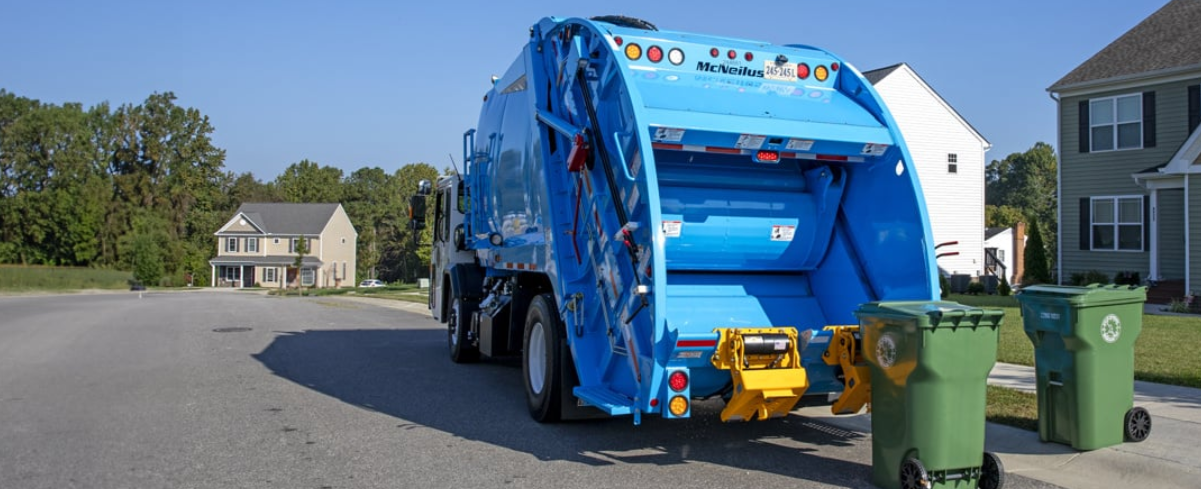
When disasters strike, chaos and destruction leave communities scrambling to recover. The First Response Team of America (FRTA) steps in with trained personnel and specialized equipment to restore order and aid recovery. They clear roads, remove debris, and support critical infrastructure, providing services that speed up the rebuilding process. Cleaning up after a disaster takes careful planning, hard work, and the right tools. For large-scale debris removal, reliable equipment like the McNelius Rear Loader XC Series, offered by Haaker Refuse across Los Angeles, San Diego, Central Valley, and Phoenix, plays a key role. Designed for efficiency and durability, this equipment helps handle massive clean-up efforts with ease. By integrating advanced tools with skilled teams, FRTA and other first response groups ensure faster recovery, helping communities rebuild their lives quickly and effectively.
Disaster Strikes
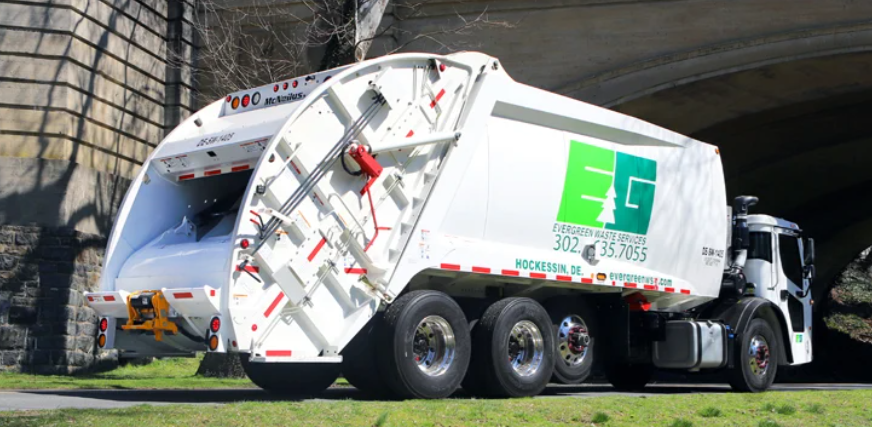
The Pete Store, a Peterbilt dealer group on the East Coast, has offered its Asheville, North Carolina location as a hub for the First Response Team of America (FRTA) to support ongoing hurricane relief efforts. “We hope using our Asheville facility helps them reach affected areas and deliver needed aid,” said Greg Arscott, The Pete Store’s President. When Hurricane Helene struck Florida, FRTA was already in position to assist in Florida and Georgia. If you’d like to support First Response Team of America in their relief efforts for those affected in Asheville and beyond, you can donate at https://firstresponseteam.org. The storm then traveled over 500 miles north, leaving severe destruction in parts of Tennessee and North Carolina. Numerous lives were lost, and some communities face years of rebuilding. The first 72 hours after a disaster are critical for saving lives and beginning recovery efforts.
The United Nations Office for the Coordination of Humanitarian Affairs (OCHA) has outlined key priorities for this crucial period. Before disasters hit, OCHA works with governments, UN agencies, NGOs, private sector groups, and local organizations to create coordination plans and be prepared. They also gather data on high-risk hazards and vulnerable populations. Early action based on warning signs is often effective, though funding structures can make this difficult. Despite challenges, humanitarian teams are striving for quicker responses. Within hours of activation, OCHA dispatches trained experts, including regional staff and those on “surge” status, ready for rapid deployment. Specialized teams, like UN Disaster Assessment and Coordination (UNDAC), undergo extensive training to handle emergency scenarios. In the initial hours, OCHA collaborates with government agencies and humanitarian teams to evaluate disaster impacts. This helps determine the scale of the response needed. Efforts aim to utilize local resources as much as possible, supplementing them with international support only when necessary. This ensures efficiency and effectiveness in providing aid. In sudden crises, OCHA strives to issue a flash appeal within 24 to 72 hours. Similarly, the Central Emergency Response Fund (CERF) aims to release initial funds within the same timeframe. Governments, donors, and NGOs face significant pressure to make funding decisions quickly. During this time, advocacy efforts highlight the importance of independence, neutrality, and impartiality in all response activities. By focusing on preparation, skilled personnel, context assessment, response capacity, and establishing funding and communication lines, organizations can respond effectively in the critical first days after a disaster.
Cleaning Up After Disasters
Disasters often produce large amounts of debris, such as building materials, soil, trees, shrubs, personal belongings, ash, and burned wood. The approach a community takes to handle this debris depends on the type of waste and available disposal options. Burning or burying debris is generally discouraged due to risks like air pollution and soil or water contamination, unless exceptions are granted by authorities. Traditional recycling and landfill methods may not work with disaster debris because of the massive volume and the need to avoid overwhelming current waste systems. Effective debris management after a disaster involves using resources like fact sheets and tools designed to streamline the cleanup process.
Creating disaster debris management plans is essential for all communities. These plans provide guidance and information to help enhance preparedness and recovery. After a disaster, efficient cleanup is a key part of restoring normalcy. Homeowners and business owners must follow established guidelines for safe removal of debris. FEMA offers reimbursement for debris removal costs to state, local, tribal, and territorial governments under the Public Assistance program. Homeowners, however, are responsible for clearing debris from private property while adhering to local rules. Insurance payouts may cover removal costs, and some volunteer groups or private companies provide assistance, possibly at no charge. Local and state governments typically manage debris left at the curb on scheduled pickup days. While general cleanup rules are available, local regulations may differ. Key steps for debris removal include prioritizing safety, checking local guidelines, contacting insurance providers, hiring professionals when necessary, avoiding downed power lines, disinfecting wet items, handling hazardous materials carefully, sorting debris correctly, and seeking help from response groups like UMCOR, Team Rubicon, or Crisis Cleanup.
The McNelius Rear Loader XC Series
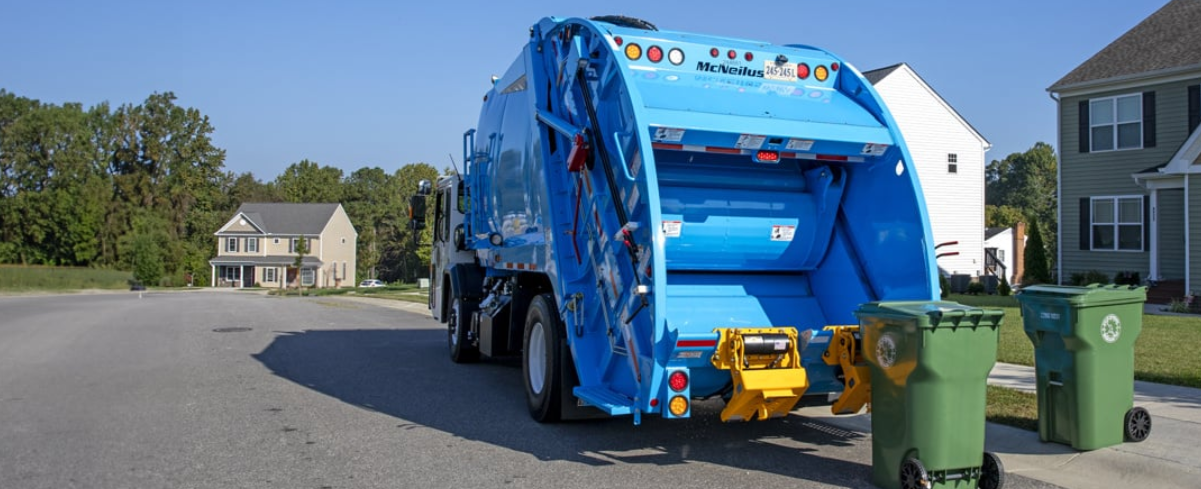
When disaster hits, having the right cleanup equipment can change everything. Adding more power to a collection vehicle creates an exceptional rear loader for demanding work. The Extra Compaction (XC) model from McNeilus is built to last, featuring a larger hopper capacity and improved compression strength to handle challenging routes and materials. Key features include a 3.5-cubic-yard hopper, robust slide and sweep cylinders that compress up to 1,200 pounds per cubic yard, and a durable tailgate liner that boosts operational efficiency. Designed for heavy-duty tasks, it excels in commercial applications and on demolition sites, tackling tough jobs with ease. For enhanced durability, the XC package includes useful upgrades like a reinforced body floor that can handle added stress, a stronger load edge for better performance over time, and an improved tailgate seal to reduce wear and tear. These features make it a reliable choice for demanding environments, offering the strength and capacity needed to get the job done efficiently.
General Summary & Conclusion
Disasters are unpredictable, and first response protocols are critical to minimizing chaos and ensuring safety. Disaster response plans can guide emergency teams, focusing on rescuing lives and stabilizing affected areas. Once immediate danger passes, cleanup operations begin. This stage requires efficient waste removal and material handling to restore the environment. Haaker Refuse offers the McNeilus Rear Loader XC Series, built to assist communities during these moments and more. These reliable trucks are designed for heavy-duty performance, allowing quick and efficient cleanup of debris and waste after disasters. Their durable construction and high-capacity loading help crews clear affected areas faster, paving the way for recovery efforts. With Haaker Refuse, you’ll have industry-leading tools for handling the toughest cleanup tasks. If you’re ready, just message us or call us at (909) 598-2706 today.