Fleet managers running refuse trucks are under more pressure than ever to cut fuel costs, avoid missed pickups, and keep aging equipment on the road longer. Refuse truck telematics has moved from a nice-to-have add-on to a standard tool for tracking exactly that. But not every system on the market tracks the same things, and not every fleet needs the most expensive package. This guide breaks down what refuse truck telematics actually measures, what it costs, and how to decide what your fleet needs before you sign a contract.
Refuse truck telematics is a system of onboard sensors and GPS hardware that reports vehicle location, engine health, route completion, and driver behavior in real time. Fleet managers use the data to catch mechanical problems early, verify route completion for municipal contracts, and reduce fuel and maintenance costs across their trucks.
What Refuse Truck Telematics Actually Tracks
Telematics is not one feature. It is a bundle of data streams, and the value you get depends on which ones your system includes.
Vehicle and Engine Data
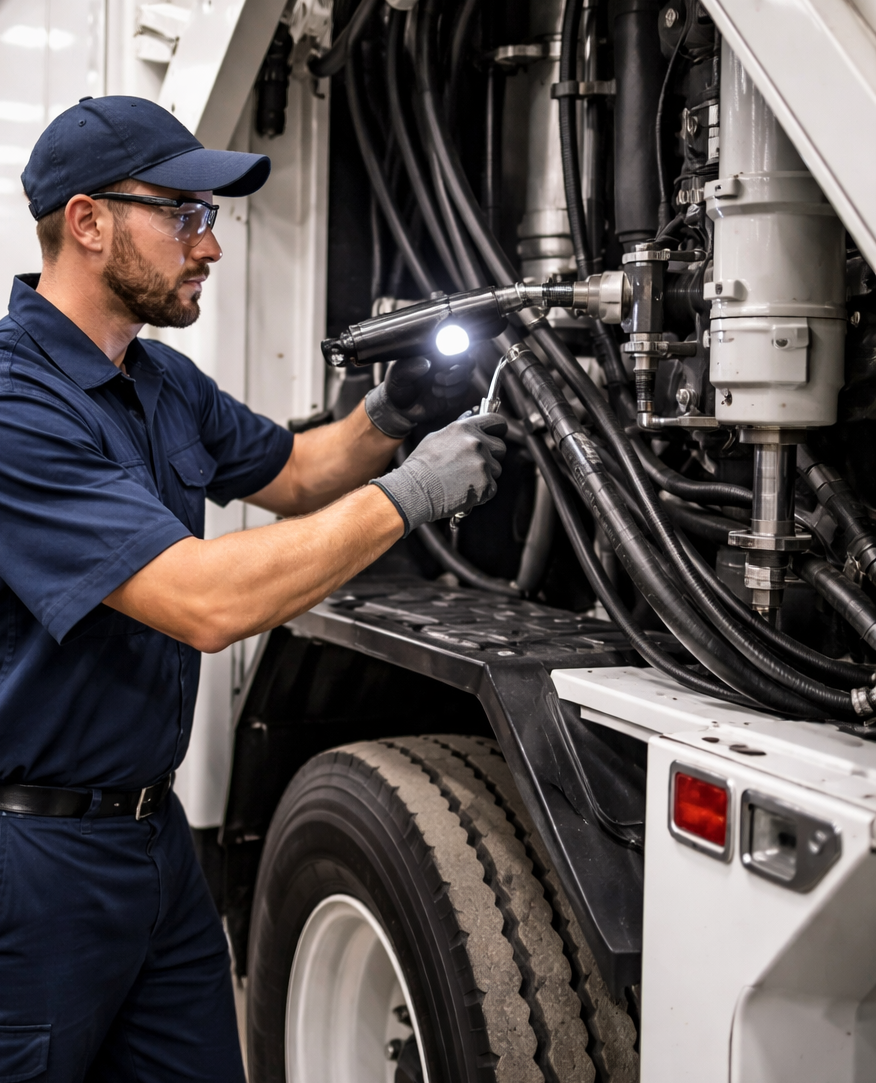
Most systems pull directly from the truck’s engine control module to report fault codes, oil life, coolant temperature, idle time, and fuel consumption. On a refuse truck, this also usually covers hydraulic system pressure and packer cycle counts, since those components fail more often than the engine itself.
Route and Stop Data
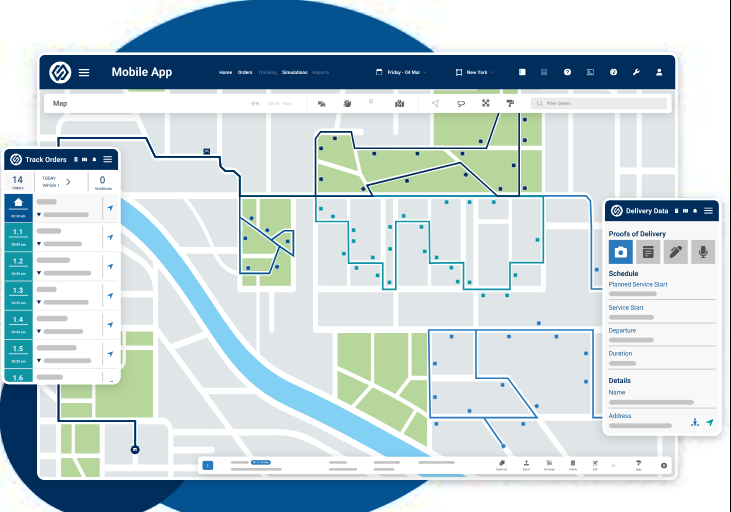
GPS breadcrumbs show where a truck has been, but route-level telematics goes further by logging which stops were completed, skipped, or serviced late. For fleets running municipal or commercial contracts with service-level requirements, this data is often the difference between winning a dispute and losing one.
Driver Behavior Data
Harsh braking, rapid acceleration, excessive idling, and backing incidents all get logged and scored. Some systems tie this data to a driver scorecard used for coaching or bonus pay. This is also the piece of telematics that tends to draw the most pushback from drivers, so how you introduce it matters as much as the technology itself.
Why Fleet Managers Are Adding Telematics Now
Fuel and Maintenance Costs
Fuel is typically the second largest operating expense for a refuse fleet after labor, and idle time on a packer truck adds up fast during long routes with frequent stops. Telematics reports idle percentage by truck and by driver, which gives fleet managers a concrete number to target instead of a guess.
Customer Service Pressure
Municipal contracts increasingly require proof of service, and residential customers now expect a text or app notification when their pickup is complete. Telematics with stop-level tracking makes both of those possible without adding driver paperwork.
Telematics vs. Basic GPS Tracking
A lot of fleets already run basic GPS units and assume that covers them. It covers less than most managers expect.
| Capability | Basic GPS Tracker | Full Telematics System |
|---|---|---|
| Real-time vehicle location | Yes | Yes |
| Engine fault code alerts | No | Yes |
| Per-stop route completion | Limited or none | Yes |
| Driver behavior scoring | No | Yes |
| Hydraulic and packer diagnostics | No | Yes, on most systems |
| Typical monthly cost per truck | Lower | Higher, based on features selected |
What It Costs and What It Saves
Telematics pricing is usually quoted per truck per month, plus a one-time hardware and install fee. Costs vary by provider and by which data modules you add, so pricing is best worked out for your specific fleet size and truck type rather than from a general rate card. Call your nearest Haaker Refuse Equipment branch for guidance on matching a telematics package to your fleet.
The savings side is easier to estimate from your own records. Pull your last twelve months of fuel spend, unplanned maintenance visits, and any contract penalties tied to missed or disputed stops. Telematics providers can often model expected savings against those numbers before you commit to a contract.
How to Choose a Telematics System for Your Fleet
Match the System to Your Truck Type
Front loaders, side loaders, and rear loaders each have different hydraulic and packer configurations, and not every telematics provider supports every body type equally well. Ask specifically whether the system has been installed on your body manufacturer’s equipment before, not just on the chassis.
Ask About Integration
If you already use routing software, a maintenance management system, or a billing platform tied to service confirmation, ask whether the telematics provider can feed data into those systems directly. A system that requires your office staff to manually cross-reference two platforms will get used less over time, not more.
Getting the Most Out of the Data You Collect
Buying the system is the easy part. Most fleets underuse the data because nobody is assigned to review it on a set schedule. Pick one person to check fault code alerts daily and idle time weekly, and set a simple rule for when a fault code triggers a service call versus a scheduled inspection. Without that structure, telematics data just accumulates in a dashboard nobody opens.
If your routes cross state lines or you are evaluating fuel efficiency reporting standards, the EPA SmartWay program publishes benchmarks that some telematics providers can report against directly. Fleets also subject to federal hours-of-service tracking should confirm their telematics provider is compliant with FMCSA electronic logging device requirements, since not every commercial telematics platform is built to that standard.
- If you only need to know where your trucks are right now, a basic GPS tracker covers that and nothing more.
- If you want early warning on engine or hydraulic problems before a truck strands on a route, choose a full telematics system with onboard diagnostics.
- If your contracts require proof of route completion, choose a system with per-stop verification and time stamps.
- If driver coaching and turnover are bigger problems for you than mechanical failures, prioritize a system with strong behavior scoring and reporting.
- If you run a smaller fleet, look for a provider offering a short trial period or month-to-month terms before signing a multi-year contract.
Do I need telematics if I already have GPS tracking on my trucks?
Basic GPS tells you where a truck is. It does not report engine faults, hydraulic pressure, or route completion by stop. If you are only using GPS for dispatch, you are missing the maintenance and compliance data that usually delivers the biggest cost savings.
How much does refuse truck telematics typically cost?
Pricing is usually charged per truck per month plus a one-time install fee, and it varies by provider and by which data modules you select. Because pricing depends on fleet size and body type, contact us for a quote matched to your specific trucks.
Will telematics data get my drivers in trouble?
It can if you introduce it that way. Fleets that get the best results present telematics as a coaching and safety tool first, with clear rules on what triggers a conversation versus disciplinary action, and involve drivers in setting those rules.
Can telematics reduce my maintenance costs?
Yes, mainly by catching engine and hydraulic faults before they cause a breakdown on route. Fleets that act on fault code alerts consistently tend to see fewer emergency service calls within the first year of adopting a system.
Does telematics work with McNeilus refuse truck bodies?
Most major telematics providers support McNeilus front loaders, side loaders, and rear loaders, but confirm compatibility with your specific model and chassis before purchasing hardware, since packer and hydraulic sensor integration varies by build.
How long does it take to install a telematics system?
A single truck install typically takes a few hours per unit, though fleet-wide rollouts are usually staged over several weeks so trucks stay in service during the transition. Ask your provider for an installation schedule before committing to a start date.
Frequently Asked Questions
What does refuse truck telematics track?
Refuse truck telematics typically tracks vehicle location, speed, idle time, fuel use, and engine fault codes. Many systems also report on body and lift activity. The goal is to turn that data into fewer breakdowns and better routes. Ask your dealer which data fits the trucks in your fleet.
Is telematics the same as GPS tracking?
No. GPS tracking shows where a truck is. Telematics adds data about how the truck is running, such as engine health, idle time, and driver habits. That extra detail helps you spot problems early and plan maintenance, which basic location tracking cannot do on its own.
How can telematics help reduce refuse truck downtime?
Telematics can flag fault codes and unusual patterns before a truck fails on route. That lets your shop schedule repairs on your terms instead of reacting to a breakdown. Over time, the history also shows which trucks and parts cause the most trouble, so you can plan ahead.
What should I look for when choosing a telematics system?
Start with the problems you want to solve, such as idle time, maintenance planning, or route tracking. Then check that the system works with your truck makes, is easy for your team to read, and has reports you will actually use. Ask about support and training too.
Who can help me get started with telematics on my refuse fleet?
Your refuse truck dealer is a good first call. Haaker Refuse can talk through what fits your trucks and your operation, and can also help with service and parts. Contact the branch nearest you to discuss your fleet, your goals, and the best next step.
The Bottom Line
Refuse truck telematics earns its cost when someone actually uses the data on a regular schedule, not just when it gets installed. Start by identifying whether fuel, maintenance, or route compliance is your biggest pain point, then choose a system built around that data rather than the package with the most features. A system matched to your actual trucks and routes will pay for itself faster than the most expensive option on the market.
Why Choose Refuse Truck Support From Haaker Refuse Equipment
Haaker Refuse Equipment is the authorized McNeilus refuse and recycling truck dealer for California, Arizona, and Nevada, backed by Haaker Equipment Company’s decades of experience in municipal equipment. Our six service locations, factory-trained technicians, and full parts inventory support your fleet whether you are adding telematics, scheduling maintenance, or speccing your next truck.
Talk to your nearest branch about how telematics data can inform your service schedule:
- Los Angeles: 909-598-2706
- San Diego: 619-569-1946
- Central Valley: 559-220-8897
- Colton: 909-370-2100
- Northern California: 510-514-0043
- Phoenix: 602-266-8214
Ready to talk fleet strategy? Request a demo or quote or contact us to reach the branch nearest you.
refuse truck telematics, fleet telematics system, refuse truck GPS tracking, waste truck route optimization, refuse fleet management software, garbage truck telematics, refuse truck engine diagnostics, fleet maintenance alerts, refuse truck driver behavior monitoring, McNeilus telematics compatibility
Call or Visit the Branch Nearest You
Haaker Refuse serves California and Arizona. Tap a number to call, or choose “View map” for the address and directions.