Choosing the right recycling collection truck setup shapes contamination rates, processing costs, and route efficiency for years after the purchase. Fleet managers across California and Arizona face a specific decision early in the buying process: run a single-stream recycling truck that collects one commingled material, or invest in a dual-stream setup that separates fiber from containers at the curb. The right call depends on what your material recovery facility (MRF) accepts, how dense your routes are, and how much contamination your current program is fighting. This guide compares both configurations and shows which McNeilus built trucks handle each job, so you can spec your next recycling truck with confidence.
Single-stream recycling trucks collect all recyclables in one compartment for sorting later at a MRF, while dual-stream trucks use a split body to separate materials like paper and cardboard from bottles and cans during collection. Dual-stream setups usually cost more upfront but reduce contamination and can lower MRF processing fees.
What Single-Stream and Dual-Stream Recycling Collection Actually Mean
Single-Stream Collection
Single-stream collection puts every recyclable material, paper, cardboard, glass, plastic, and metal, into one compartment on the truck. Most single-stream programs run on automated side loaders because the entire load goes to the same hopper, which keeps the route fast and the equipment simple. Sorting happens later at the MRF using conveyor lines, optical sorters, and manual pickers. Single-stream trucks generally cost less to buy and are easier to route since drivers do not need to think about which material goes where. The tradeoff shows up downstream: commingled loads carry a higher risk of contamination, and contaminated loads can get rejected or hit with processing fees by the MRF.
Dual-Stream Collection with Split Body Trucks
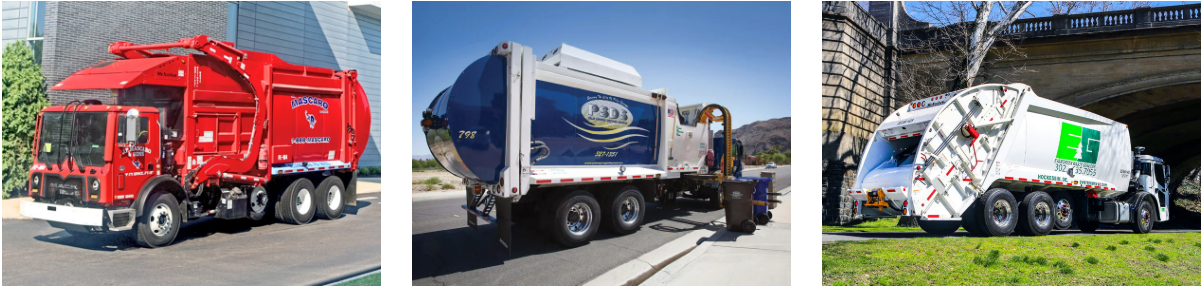
Dual-stream collection separates recyclables into two categories before they ever leave the curb, typically fiber (paper and cardboard) on one side and containers (glass, plastic, and metal) on the other. This requires a split body truck with two independent compartments and, often, two separate hydraulic packing systems so one material stream does not contaminate the other. Haaker’s Split Body Series is built for exactly this job, giving haulers a single vehicle that can run a two-material recycling route without a second truck on the street.

How to Decide Which Setup Fits Your Routes
Contamination Rates and MRF Requirements
MRFs are getting stricter about what they accept, and many now charge contamination fees or reject loads outright when non-recyclable material or the wrong material mix shows up. If your current single-stream contamination rate is climbing and your MRF is passing those costs back to you, a dual-stream setup that separates fiber from containers at the curb can cut contamination significantly, since the two streams never mix in the first place.
Route Density and Stop Count
Dense residential routes with high stop counts usually favor single-stream collection because the driver or automated arm empties every can into the same hopper without sorting decisions slowing the route down. Lower-density routes, commercial accounts with heavy cardboard volume, or areas where the MRF pays a premium for clean fiber often justify the extra time a dual-stream route takes.
Compartment Ratios and Payload
Split body trucks divide their body into two compartments, and the ratio between them affects how much of each material you can carry before a trip to the transfer station. Typical configurations split somewhere in the range of 60/40 to 70/30 between fiber and container compartments, though the exact ratio and total yardage depend on the chassis and body length you spec. Ask your Haaker Refuse Equipment representative for the current compartment ratio options and yardage figures for your model when you build your quote.
Comparison: Single-Stream vs. Dual-Stream Recycling Trucks
| Factor | Single-Stream | Dual-Stream (Split Body) |
|---|---|---|
| Compartments | One | Two, separated by a divider wall |
| Where sorting happens | At the MRF | At the curb, during collection |
| Contamination risk | Higher | Lower |
| Typical upfront equipment cost | Lower | Higher |
| Best route type | Dense residential | Mixed commercial or fiber-heavy routes |
| Common body style | Automated side loader | Split body rear loader |
Equipment Options for Recycling Collection
Split Body Rear Loaders
A split body rear loader is the most direct way to run dual-stream collection without operating two separate trucks. The divided hopper and packer chambers keep fiber and containers apart from pickup through discharge at the transfer station, which protects your contamination numbers and can reduce the number of trucks you need on a mixed route.
Automated Side Loaders for Recycling Routes
For single-stream residential recycling, an automated side loader remains the standard choice. The automated arm lifts and empties carts without the driver leaving the cab, which keeps routes moving and reduces the injury exposure that comes with manual lifting on high-stop-count routes.

Rear Loaders for Commercial Recycling Accounts
Commercial recycling accounts, especially those generating large cardboard volumes, often need more compaction than a residential side loader route requires. An extra-compaction rear loader handles the higher payloads and irregular container sizes that come with dumpster and front-of-store recycling collection.

If you are weighing which setup makes sense for your operation, these guidelines can help narrow the decision:
- If your MRF is charging contamination penalties you cannot fix another way, choose a dual-stream split body truck to separate materials before they leave the curb.
- If your routes are dense, low-volume residential stops, choose a single-stream automated side loader to keep the route moving.
- If you run mixed commercial and residential recycling accounts, choose a rear loader with extra compaction to absorb volume swings.
- If you want to add dual-stream capacity without adding a truck to an existing route, choose a split body rear loader.
- If your budget favors lower upfront cost and your MRF sorts efficiently, a single-stream truck is usually the more economical choice.
Regulatory Pressure Driving Recycling Truck Decisions
California Recycling and Organics Mandates
California haulers are already adjusting fleets to meet state recycling and organics diversion requirements, and that pressure is pushing more agencies to reconsider how they collect and sort recyclables. Trucks that can adapt to stricter material separation rules, including split body configurations, give operators more flexibility as local mandates tighten.
EPA Contamination and Recycling Guidance
The U.S. Environmental Protection Agency’s recycling program guidance outlines national best practices for reducing contamination in the recycling stream, and many MRF contracts reference similar standards when setting rejection thresholds. Understanding how your MRF applies these standards helps determine whether a dual-stream truck pays for itself in reduced fees.
Frequently Asked Questions
What is the difference between single-stream and dual-stream recycling trucks?
Single-stream trucks collect all recyclables in one compartment for sorting later at a MRF. Dual-stream trucks use a split body with two compartments to separate fiber from containers during collection, which reduces contamination but typically requires a higher upfront equipment cost.
Can a split body truck collect trash and recycling on the same route?
Split body trucks are built to separate two recyclable material streams, such as fiber and containers, rather than mixing trash with recycling. Running trash and recycling in the same body is not recommended, since it would contaminate both loads and defeat the purpose of a split compartment.
Does a dual-stream truck cost more than a single-stream truck?
Yes, dual-stream split body trucks generally carry a higher upfront cost than single-compartment single-stream trucks because of the divided body and, in many configurations, dual packing systems. Request a quote for your specific chassis and body length to compare exact pricing.
What compartment ratio should I choose for a dual-stream truck?
Compartment ratios typically range from around 60/40 to 70/30 depending on your fiber-to-container volume mix, but exact options vary by model and body length. Confirm current ratio configurations with a Haaker Refuse Equipment representative before finalizing your spec.
Do dual-stream trucks reduce contamination penalties from the MRF?
In most cases, yes. Separating fiber from containers at the curb keeps the two streams from mixing, which is the most common source of contamination in single-stream programs. Lower contamination generally means fewer rejected loads and reduced processing fees.
Is a side loader or rear loader better for recycling collection?
Automated side loaders work well for dense single-stream residential routes because they keep drivers in the cab. Rear loaders, including split body configurations, handle commercial volume and dual-stream separation better. The right choice depends on your route mix and material separation needs.
The Bottom Line
Single-stream trucks keep routes fast and equipment costs lower, which works well for dense residential collection with a MRF that sorts efficiently. Dual-stream split body trucks cost more upfront but separate materials at the curb, which can meaningfully reduce contamination penalties on commercial or fiber-heavy routes. Most fleets end up running a mix of both, matching the truck to the route rather than standardizing on one setup fleet-wide.
Why Choose Your Recycling Truck Setup From Haaker Refuse Equipment
Haaker Refuse Equipment is the authorized McNeilus refuse and recycling truck dealer for California & Arizona. Backed by Haaker Equipment Company’s decades of experience in municipal equipment, six service locations, factory-trained technicians, and a full parts inventory, we help fleets spec the right single-stream or dual-stream setup for their actual routes, not just a catalog default. Explore our side loaders, rear loaders, and full product lineup, then request a demo or quote or contact us to talk through your route mix with a specialist.
Call your nearest Haaker Refuse Equipment location: Los Angeles 909-598-2706, San Diego 619-569-1946, Central Valley 559-220-8897, Colton 909-370-2100, Northern California 510-514-0043, or Phoenix 602-266-8214.