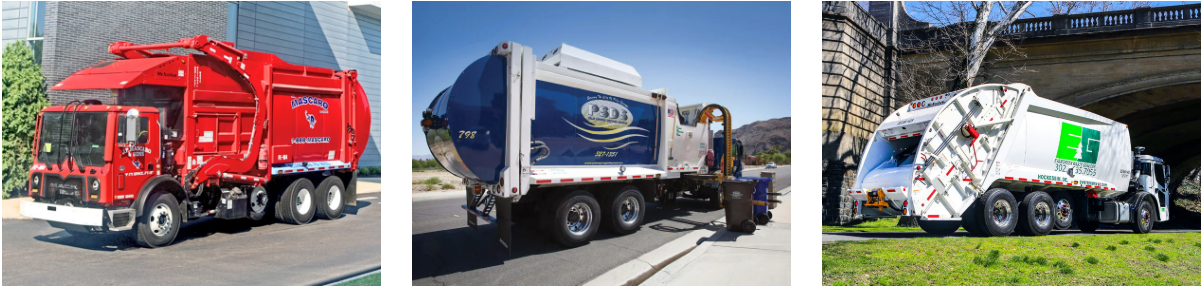
A refuse truck driver training program shapes how many accidents, injuries, and insurance claims your fleet racks up over the next year. Refuse collection ranks among the more dangerous driving jobs on the road, with frequent stops, constant backing, automated arm operation, and pedestrians moving near the truck on every route. Fleet managers in California and Arizona who build a structured training and certification process before a new driver runs a solo route see fewer backing incidents, faster onboarding, and lower turnover. This guide covers what a refuse truck driver training program should include, how long it should take, and the regulatory standards that shape it.
A refuse truck driver training program should cover CDL requirements, pre-trip inspection, backing and spotting procedures, automated arm or lift operation, and route-specific hazard awareness. Most new hires need two to four weeks of combined classroom, yard, and ride-along training before running a route solo.
Why a Refuse Truck Driver Training Program Matters
Injury and Insurance Costs Tied to Untrained Drivers
Backing accidents, struck-by incidents, and lifting injuries account for a large share of refuse collection claims, and most trace back to gaps in training rather than equipment failure. A structured program that drills backing and spotting procedures before a driver runs a route alone reduces the incidents that drive up insurance premiums and workers’ compensation costs.
Turnover and Onboarding Time
Refuse collection has higher turnover than many trucking roles, and a disorganized onboarding process makes it worse. New hires who feel confident behind the wheel and on the controls within their first few weeks are more likely to stay, which matters when replacing an experienced driver can take months of recruiting and training.
What a Refuse Truck Driver Training Program Should Cover
CDL Class and Endorsement Requirements
Most refuse trucks require a Class B commercial driver’s license at minimum, and some heavier configurations or those pulling a trailer may require Class A, depending on gross vehicle weight rating and axle configuration. Requirements vary by state, so check the exact CDL class and any required endorsements with your state’s DMV or licensing agency for each truck in your fleet. Training should confirm a new hire’s CDL status and any restrictions before they touch the truck.
Backing and Spotting Procedures
Backing is one of the most common sources of refuse truck accidents, especially on residential routes with driveways, parked cars, and narrow streets. A training program should require a spotter or camera check on every backing maneuver during the training period, with the trainee demonstrating consistent use of mirrors, cameras, and horn signals before being cleared to back up without direct supervision.
Automated Arm and Lift Operation Training
Automated side loader arms and rear loader lift mechanisms each have their own control sequences, and a driver moving between body types needs hands-on time with each one. Training should include supervised cart pickups, jam clearing procedures, and emergency stop drills before a driver runs that body type solo.
Route-Specific Hazard Awareness
Every route has its own hazards, from school zones and narrow alleys to steep grades and high pedestrian traffic near commercial dumpsters. New drivers should ride along on their assigned route with a trainer at least a few times before running it alone, so they learn the specific hazards rather than generic ones.

Building a Training Timeline for New Hires
Classroom and CDL Prep
The first phase covers CDL requirements, company policy, pre-trip inspection procedures, and basic safety rules in a classroom or yard setting before the truck ever leaves the lot. This phase typically runs a few days to a week depending on whether the hire already holds a valid CDL.
Yard Time and Ride-Alongs
Once classroom basics are covered, new hires move to supervised yard time practicing backing, spotting, and arm or lift operation in a controlled space, followed by ride-alongs on live routes with an experienced driver or trainer. This phase is where most of the hands-on skill building happens.

Solo Route Sign-Off
Before a new driver runs a route alone, a supervisor should sign off on a checklist covering pre-trip inspection, backing competency, arm or lift operation, and route familiarity. This sign-off creates a documented record that the driver was trained and evaluated, which matters for both safety and liability if an incident happens later.
Sample Training Timeline by Stage
| Training Stage | Typical Duration | Primary Focus |
|---|---|---|
| Classroom and CDL prep | Three to five days | Policy, pre-trip inspection, CDL verification |
| Yard time | Three to five days | Backing, spotting, arm or lift controls |
| Ride-alongs | One to two weeks | Route familiarity, live hazard exposure |
| Solo sign-off | One shift, evaluated | Supervisor checklist and final clearance |
These durations are general starting points. Set your own timeline based on driver experience, route complexity, and your state’s specific licensing or safety training requirements.
Use these guidelines to match training intensity to the situation:
- If a new hire has no prior CDL, plan for a longer classroom and CDL prep phase before any yard time begins.
- If a driver is transferring from side loader to rear loader routes, run a focused arm or lift retraining session even if their backing skills are already solid.
- If a route includes school zones or high pedestrian traffic, add extra ride-along time on that specific route before sign-off.
- If your fleet has had recent backing incidents, add a refresher backing and spotting drill for all drivers, not just new hires.
- If a driver is returning after extended leave, treat re-onboarding like a shortened version of the full program rather than skipping straight back to solo routes.
Regulatory Standards Behind Refuse Truck Driver Training
FMCSA and DOT Requirements
The Federal Motor Carrier Safety Administration sets driver qualification, hours of service, and vehicle inspection standards that apply to most refuse trucks operating on public roads. Your training program should map directly to these federal requirements in addition to any state-specific rules.
OSHA Backing and Struck-By Guidance
The Occupational Safety and Health Administration publishes guidance on backing hazards and struck-by incidents that are common in refuse collection. Building your spotting and backing procedures around this guidance gives your training program a defensible standard if an incident is ever reviewed.
Frequently Asked Questions
What CDL class is required to drive a refuse truck?
Most refuse trucks require at least a Class B CDL, though some heavier or trailer-pulling configurations may require Class A. Exact requirements depend on gross vehicle weight rating and your state’s licensing rules, so confirm with your state DMV for each truck in your fleet.
How long does refuse truck driver training typically take?
Most programs run two to four weeks combining classroom prep, yard time, and ride-alongs before a solo sign-off. Timelines shift based on whether the driver already holds a CDL and how complex the assigned route is.
Do automated side loader drivers need different training than rear loader drivers?
Yes. Each body type has its own control sequence, jam clearing procedure, and common failure points, so drivers moving between body types need dedicated hands-on training rather than relying on general truck experience alone.
What is the biggest cause of refuse truck backing accidents?
Most backing accidents trace back to skipped spotter checks, obstructed camera views, or drivers backing based on habit rather than confirming the path is clear each time. Consistent spotting procedures during training address this directly.
Does refuse truck driver training reduce insurance costs?
Fleets with documented, structured training programs often see fewer claims over time, which can support lower premiums or better renewal terms. Insurers frequently ask for training records during underwriting review.
Should refuse truck driver training be repeated annually?
Annual refresher training on backing, spotting, and arm or lift operation is a common practice, especially for fleets that have had recent incidents or added new equipment. It keeps experienced drivers from drifting away from documented procedures.
The Bottom Line
A refuse truck driver training program built around CDL verification, backing and spotting drills, hands-on arm or lift training, and route-specific ride-alongs reduces accidents and shortens the time it takes a new hire to run a route with confidence. Documenting each stage with a supervisor sign-off protects your fleet if an incident is ever reviewed and gives you a repeatable process instead of ad hoc onboarding.
Why Train Your Drivers on Trucks From Haaker Refuse Equipment
Haaker Refuse Equipment is the authorized McNeilus refuse and recycling truck dealer for California & Arizona. Backed by Haaker Equipment Company’s decades of experience in municipal equipment, six service locations, factory-trained technicians, and a full parts inventory, we support fleets with the equipment knowledge that makes driver training programs stronger, including operator walkthroughs on front loaders, side loaders, and rear loaders. Browse our full product lineup or our service and repair support, then request a demo or quote or contact us to talk through your fleet’s training needs.
Call your nearest Haaker Refuse Equipment location: Los Angeles 909-598-2706, San Diego 619-569-1946, Central Valley 559-220-8897, Colton 909-370-2100, Northern California 510-514-0043, or Phoenix 602-266-8214.