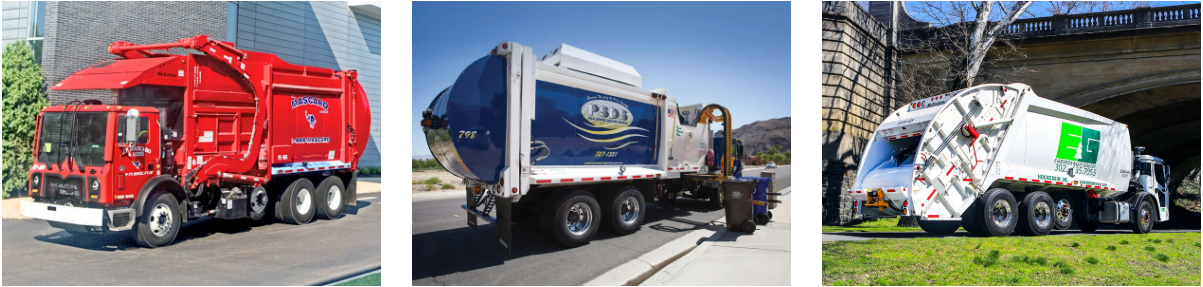
Two refuse trucks with the same size body can haul very different amounts of waste per trip. The difference is compaction. How tightly a body packs material decides how many homes you serve before a trip to the landfill, and how often you make that trip. Get the refuse truck compaction ratio and body capacity right and you cut trips, fuel, and labor. Get it wrong and you either run half-empty or hit weight limits before the body looks full. This guide explains how compaction and capacity work together so you can size a truck to your actual waste.
A refuse truck compaction ratio describes how much the body squeezes loose waste, often expressed as a ratio like 2:1 or 3:1. Body capacity is the volume in cubic yards. Together they set how much weight you can haul per trip. The right size depends on your waste density, route volume, and legal weight limits, since dense waste hits the weight cap before the body fills by volume.
Compaction Ratio and Capacity Are Two Different Things
People often treat body size as the whole story. It is only half. A large body with weak compaction can haul less usable weight than a smaller body that packs hard.
What Compaction Ratio Means
Compaction ratio is how much the packing system reduces the volume of loose waste. A higher ratio means more waste fits in the same space. High-compaction bodies pack harder, which is ideal for dense commercial waste and routes where you want to maximize each trip.
What Body Capacity Means
Capacity is the body volume, measured in cubic yards. A bigger body holds more, but only up to the legal weight limit. Past that point, extra volume is wasted because you cannot legally carry the weight.

Why Weight, Not Volume, Often Decides the Limit
This is the part that trips up buyers. Waste has weight, and the law caps how much you can carry. Dense material like wet organics or commercial trash can hit the weight limit before the body looks full.
Dense Waste Fills by Weight
Organics, food waste, and wet material are heavy. A high-compaction body can pack them so tightly that you reach the legal axle weight with volume to spare. For these routes, weight, not cubic yards, is your real limit.
Light Waste Fills by Volume
Loose residential trash, cardboard, and bagged waste are light and bulky. Here, a high compaction ratio earns its keep by squeezing more volume into each trip before you run out of space. The U.S. EPA publishes data on waste composition and generation in its facts and figures on materials and waste, which helps you understand the mix you collect.

Sizing the Body to Your Route
The goal is to reach your legal weight limit and your volume limit at about the same time. That means matching compaction and capacity to your waste density and route.
Match the Body Type to the Waste
High-compaction rear loaders suit dense commercial waste. Standard rear loaders fit lighter residential routes. Front loaders handle commercial containers with strong compaction. See the rear loaders page for the range from standard to extra compaction.
Plan Around Trips Per Day
The right size minimizes trips to the transfer station without running you overweight. Fewer trips mean less fuel, less driver time, and more homes served per shift.
Compaction and Capacity Comparison
| Waste type | What limits you | Best body emphasis |
|---|---|---|
| Dense commercial / organics | Weight | Right capacity, watch axle limits |
| Light residential / cardboard | Volume | High compaction ratio |
| Mixed residential | Balance of both | Standard to high compaction |
| Bulky loose waste | Volume | Larger capacity, strong packing |
Compaction ratios, capacities, and density vary by body and material, so confirm figures against McNeilus specs and your landfill weight limits.
Decision Framework: Size the Body Right
- If you collect dense commercial waste or organics, size for weight and watch your axle limits, not just cubic yards.
- If you collect light, bulky residential waste, prioritize a high compaction ratio to cut trips.
- If you keep hitting the weight limit half-full, the body is too large for your waste density, or you need a different axle setup.
- If you keep filling by volume and running light on weight, a higher compaction ratio will haul more per trip.
- If you want fewer transfer trips, match compaction and capacity so you reach weight and volume limits together.
Frequently Asked Questions
What is a good compaction ratio for a refuse truck?
It depends on your waste. Higher compaction ratios pack more volume into each trip, which helps most with light, bulky residential waste. For dense commercial waste or organics, very high compaction can push you over the legal weight limit before the body fills, so the best ratio is the one matched to your material density.
Does a bigger body always haul more?
No. A larger body only helps up to the legal weight limit. With dense waste, you can reach the weight cap with volume to spare, so the extra capacity is wasted. The goal is to size the body so you hit your weight limit and your volume limit at about the same time.
Why does my truck reach weight limits before it looks full?
Because the waste is dense. Wet organics and heavy commercial trash weigh a lot per cubic yard, so a high-compaction body packs them to the legal axle weight while space remains. For these routes, weight is your real limit, and you should plan capacity and axles around it.
How do compaction and body type relate?
Body type sets the compaction range. Extra-compaction rear loaders and front loaders pack hardest, standard rear loaders pack lighter, and split bodies divide capacity across streams. Choose the body type whose compaction matches your waste, then size the capacity to your route and weight limits.
How do I size a refuse truck for my route?
Start with your waste density and daily volume, then choose a compaction ratio and capacity that let you reach the legal weight limit and the volume limit together. That minimizes trips without running overweight. Confirm the exact body specs against McNeilus data and your local landfill and axle weight limits.
The Bottom Line
Body size alone does not tell you how much a truck hauls. Compaction ratio and capacity work together, and weight often caps you before volume does. Match the compaction to your waste density and size the capacity to your route, and you cut trips, fuel, and labor without ever running overweight.
Why Size Your Next Refuse Truck With Haaker Refuse Equipment
Haaker Refuse Equipment is the authorized McNeilus refuse and recycling truck dealer for California & Arizona, backed by Haaker Equipment Company’s decades in municipal equipment, six service locations, factory-trained technicians, and a full parts inventory. We help fleets size bodies to real waste, from standard to extra-compaction rear loaders and high-compaction front loaders, so you reach your weight and volume limits together and cut trips to the transfer station.
Let’s size a body to your waste. Call Los Angeles at 909-598-2706, San Diego at 619-569-1946, the Central Valley at 559-220-8897, Colton at 909-370-2100, Northern California at 510-514-0043, or Phoenix at 602-266-8214. You can also request a quote or contact us here.