Buying a refuse truck in California or Arizona is not like buying a pickup. The spec decisions you make before you place an order determine how well that truck fits your routes, your crew, your compliance requirements, and your budget for the next 10-plus years. Get the spec right and the truck pays for itself. Get it wrong and you’re managing around it for its entire service life.
The good news: these decisions follow a logical sequence. By working through them in order, you’ll arrive at a spec that actually works for your operation. Let’s walk through them.
Decision 1: Body Type — Rear Loader, Side Loader, or Front Loader?
This is the foundational decision. Your choice here shapes everything else.
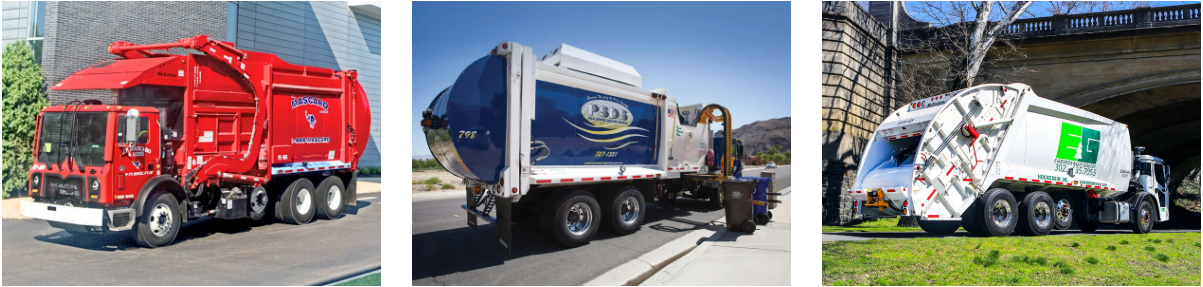
Rear Loaders work best for mixed routes with non-standardized containers and split-stream collection. They’re the workhorse for residential and municipal programs where you’re managing different waste streams and collection schedules. McNeilus offers Standard, Heavy Duty, Extra Compaction, Tag Axle, and Split Body configurations to fit your route profile.
Side Loaders excel on residential cart routes where single-operator automation matters. They grab carts from the curb without crew members jumping on and off, which improves safety and reduces labor per route. The McNeilus AutoReach, Zero Radius, and manual options give you flexibility; if you’re in a compliance-driven market, the Volterra ZSL electric side loader qualifies for CARB incentives and eliminates diesel emissions.
Front Loaders dominate commercial dumpster routes where you’re running high-volume stops and need a single operator to work quickly. The McNeilus Atlantic, Meridian, and electric Volterra ZFL are built for this throughput.
(See our complete rear loader vs. side loader comparison for a deeper look at body type tradeoffs.)
Decision 2: Chassis — Cab-Over or Conventional?
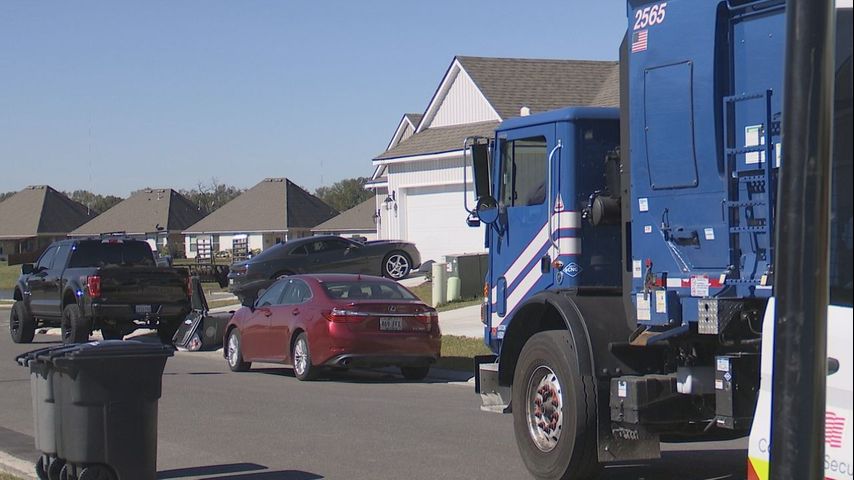
Cab-over (COE) trucks have a shorter overall length, better forward visibility, and a tighter turning radius. They’re preferred in dense urban routes and places where maneuverability matters: narrow streets, tight alleys, residential subdivisions. The shorter wheelbase also makes backing up and navigating confined spaces easier.
Conventional chassis have a longer nose and more cab comfort for longer routes or rural collection areas. Crew entry is typically lower, which can reduce fatigue on long shifts. If your routes are suburban or rural with wider streets and less tight maneuvering, conventional may be the right call.
Ask yourself: am I running dense city blocks or open rural routes? That question answers itself.
Decision 3: Compaction Ratio — How Much Are You Collecting Per Load?
Compaction ratio tells you how much waste your truck compacts before it’s full. A higher ratio means more waste per load before the truck needs to tip at the transfer station or landfill. This directly affects route efficiency: fewer trips per shift, less fuel, less driver time spent dumping.
The right compaction spec depends on your waste stream. Residential trash compacts reasonably well. Cardboard and loose items compress differently. Mixed commercial waste has its own density profile. McNeilus rear loaders come in standard and extra compaction configurations; the extra compaction option makes sense if your waste is light and fluffy, or if your routes are long and dumping frequency is a real constraint.
Decision 4: Single Stream or Split Body?
Standard rear loaders have a single hopper for one waste stream per pass. A split body rear loader collects two streams simultaneously, in separate hoppers, without requiring a second truck pass. This is where the economics get interesting: co-collection of refuse and recyclables in one route with one truck instead of two.
Haaker Refuse offers exclusive access to McNeilus split body configurations in California and Arizona. If dual-stream collection is your program, a split body eliminates a second collection vehicle and its operating cost. The tradeoff: split bodies are a heavier spec and require more careful load balancing between the two hoppers.
Decision 5: Diesel, CNG, or Electric?
This is the compliance and future-proofing question.
Diesel is proven, widely available, and has the lowest upfront cost. But watch the CARB Advanced Clean Fleets timeline. California’s rules for solid waste vehicles are tightening, and if you’re operating in CA or AZ, knowing what the regulatory environment will look like in 8-10 years matters right now.
CNG (compressed natural gas) is cleaner than diesel and has established alternative fuel infrastructure across California and Arizona. The upfront cost is higher than diesel, but fuel costs and emissions compliance give you real advantages in regulated markets.
Electric (Volterra ZSL side loader, Volterra ZFL front loader) is zero emission, CARB compliant today, and eligible for CA incentives through HVIP and Carl Moyer programs. The upfront cost is higher, but fuel savings and grant funding offset much of it over a 10-year service life. If your routes are regional and you want to future-proof against evolving emissions rules, electric is the path.
Frame this as a 10-year decision: what will the regulatory and fuel cost environment look like at the end of this truck’s life, and what do you want to be running by then?
One More Thing: Dealer Support Matters as Much as the Spec
The best spec in the world doesn’t help if the dealer can’t support the truck after the sale. Haaker Refuse brings factory-trained McNeilus technicians, in-stock parts inventory, and regional expertise across California and Arizona. We don’t just sell trucks; we support them. That’s our Total Support lifecycle commitment to you.
View the Full McNeilus Lineup | Schedule a Spec Consultation | Contact Our Team
Frequently Asked Questions
What should I consider when buying a refuse truck?
Focus on five core decisions: body type (rear, side, or front loader), chassis design (cab-over vs. conventional), compaction ratio, whether you need split-stream collection, and fuel type (diesel, CNG, or electric). Each decision shapes how the truck performs on your specific routes.
What is the difference between cab-over and conventional refuse trucks?
Cab-over trucks are shorter, offer better visibility, and turn tighter, making them ideal for dense urban routes. Conventional trucks have a longer nose, more cab comfort for long routes, and typically lower entry steps. Choose based on your route geography: urban or suburban/rural.
What compaction ratio do I need for a residential refuse route?
Standard compaction works for most residential routes. If your waste is light and fluffy, or if your routes are long with infrequent dumping stops, extra compaction saves fuel and reduces trip frequency. Talk to your dealer about your specific waste stream.
Should I buy a diesel, CNG, or electric garbage truck?
Diesel is proven and lowest upfront cost, but watch CARB timelines if you’re in CA or AZ. CNG is cleaner with lower operating costs. Electric (Volterra ZSL, Volterra ZFL) is zero emission, incentive-eligible in California, and future-proof against emissions rules. Think about what you want running 10 years from now.
How do I spec a McNeilus refuse truck for my municipality?
Work with your McNeilus dealer. Haaker Refuse offers factory-trained technicians and regional expertise in California and Arizona. Schedule a consultation to align your routes, waste streams, compliance requirements, and budget with the right body type, chassis, compaction, and fuel configuration.
Nobody works harder for you.