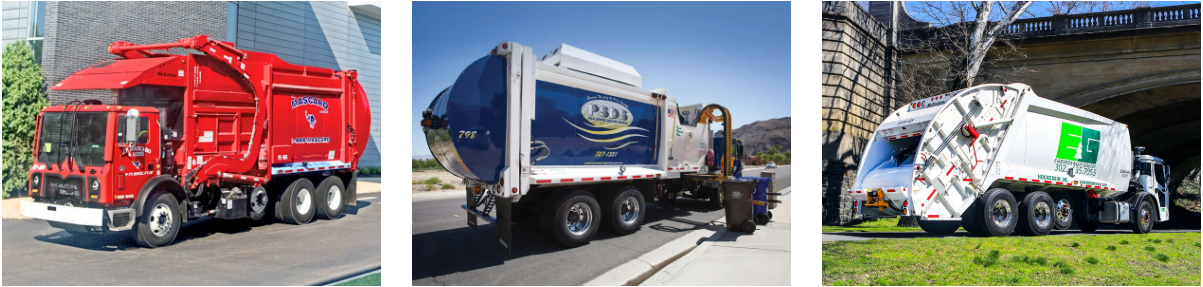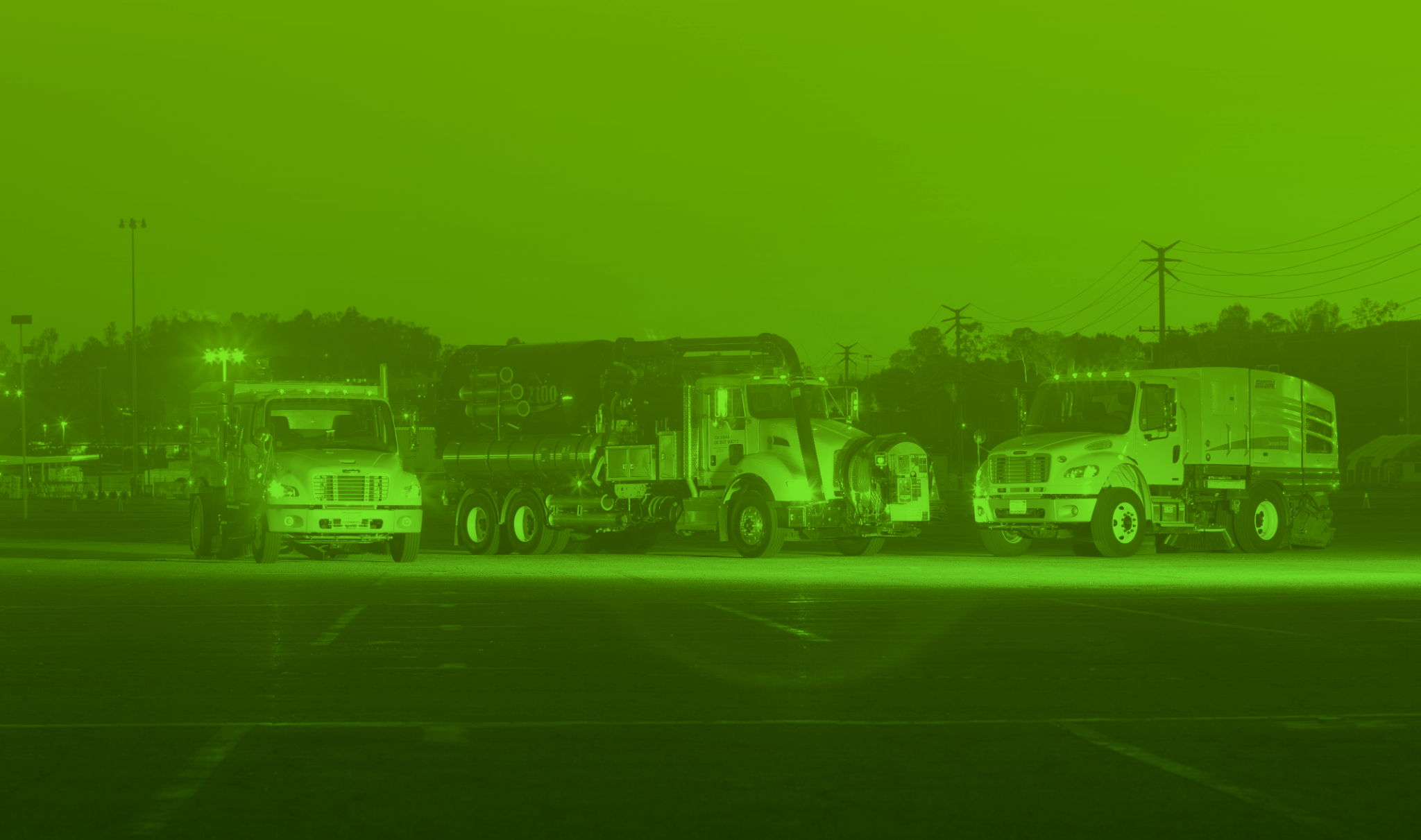
Choosing a powertrain used to be simple. You bought a diesel refuse truck, you fueled it, and you ran it until it wore out. That is no longer the decision in front of fleet managers in California and Arizona. Today you have to weigh electric vs diesel refuse trucks alongside compressed natural gas, and the choice affects your fuel budget, your route planning, and your compliance status for years. Pick wrong and you overpay or fall out of step with state rules. Pick right and you lower your cost per mile while keeping every route covered. This guide breaks down the three powertrains the way a hauler actually has to think about them.
For most California and Arizona refuse fleets, diesel still offers the lowest upfront price and longest range, CNG cuts fuel cost and emissions on high-mileage routes that can support fueling infrastructure, and electric delivers the lowest emissions and quietest operation but works best on predictable routes with depot charging. The right choice depends on route length, daily duty cycle, and your CARB compliance timeline.
The Three Powertrains at a Glance
Every refuse truck powertrain does the same job. It moves the chassis and powers the body that lifts, packs, and hauls. Where they differ is in how they store energy, what they cost to run, and how they fit your regulatory picture.
Diesel: The Proven Workhorse
Diesel is what most fleets still run. The trucks cost the least to buy, the fueling is everywhere, and the range covers the longest routes without a second thought. Modern diesel engines are far cleaner than older models thanks to particulate filters and exhaust treatment. The tradeoff is fuel price volatility and tightening emissions rules, especially in California.
CNG: Lower Fuel Cost, Lower Emissions
Compressed natural gas trucks burn cleaner than diesel and often cost less to fuel, particularly where renewable natural gas is available. Many large municipal fleets have run CNG for years. The catch is infrastructure. You need a fueling station, either your own or a reliable public one, and the trucks carry a higher purchase price than diesel.
Electric: Zero Tailpipe Emissions
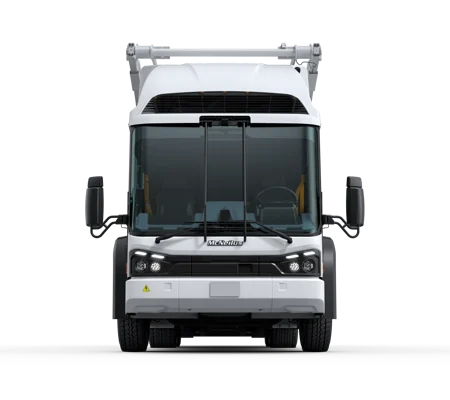
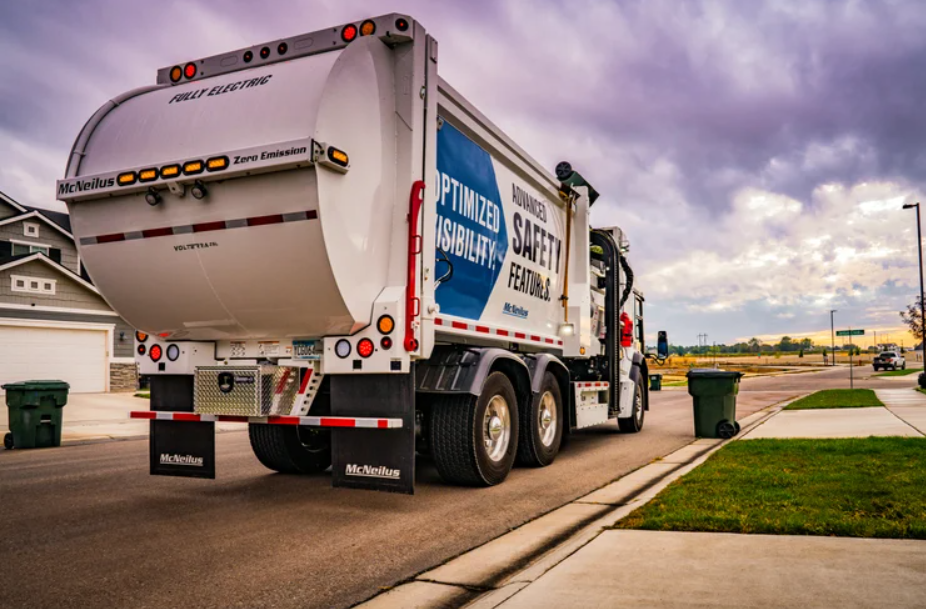
Battery electric refuse trucks like the McNeilus Volterra produce no tailpipe emissions and run far quieter, which matters on early residential routes. Energy cost per mile is low and there are fewer moving parts to service. The considerations are upfront price, charging infrastructure, and matching battery range to your daily route. For a closer look, see the Volterra electric refuse truck.
Cost: Look at the Whole Picture, Not Just the Sticker
Upfront price tells only part of the story. The number that matters is total cost over the life of the truck, which includes fuel or energy, maintenance, and any grants or incentives you qualify for.
Purchase Price
Diesel is the lowest. CNG sits higher because of the fuel system and tanks. Electric is the highest today, though state and air district incentives can close a large part of that gap for California and some Arizona buyers.
Fuel and Energy
Electricity is usually the cheapest energy per mile, followed by CNG, with diesel the most exposed to price swings. A high-mileage route magnifies these differences. A short, low-mileage route shrinks them.
Maintenance
Electric drivetrains have fewer moving parts, no engine oil, and regenerative braking that reduces brake wear. Diesel and CNG share similar engine maintenance, with CNG adding fuel system upkeep. Whatever you run, a consistent service plan protects the investment, and Haaker Refuse handles that through its refuse truck service department.

Powertrain Comparison Table
| Factor | Diesel | CNG | Electric |
|---|---|---|---|
| Upfront cost | Lowest | Moderate | Highest (before incentives) |
| Fuel/energy cost per mile | Highest | Lower | Lowest |
| Range / daily duty cycle | Longest | Long | Route dependent |
| Tailpipe emissions | Higher | Lower | Zero |
| Noise | Loudest | Moderate | Quietest |
| Infrastructure needed | Existing fuel | CNG station | Depot charging |
| CARB ACF fit (CA) | Limited long term | Bridge option | Compliant path |
Use this as a starting point, not a final answer. The right pick changes with route profile and incentive eligibility.
The Regulatory Picture in California and Arizona
California is the most aggressive market. The California Air Resources Board Advanced Clean Fleets rule pushes public and many private fleets toward zero-emission vehicles on a set timeline, which makes electric a planning priority rather than a someday idea. You can read the official details on the CARB Advanced Clean Fleets program page.
Arizona and Nevada do not carry the same statewide mandates, so diesel and CNG remain practical for longer. That said, fuel cost and local air quality goals still make CNG and electric attractive for the right routes. If you want to compare fuel types and incentives in detail, the U.S. Department of Energy keeps current data on its Alternative Fuels Data Center.
Decision Framework: Match the Powertrain to the Route
Skip the hype and match the truck to how you actually run it.
- If you run long routes with high daily miles and need maximum flexibility, choose diesel.
- If you have high-mileage routes and access to CNG fueling, choose CNG to cut fuel cost and emissions.
- If you operate in California under the CARB timeline, plan an electric path now and use diesel or CNG as a bridge.
- If you run predictable residential routes from a single depot, electric fits well with overnight charging.
- If early-morning noise complaints are a problem, electric is the quietest option by a wide margin.
- If your budget is tight and incentives are unavailable, diesel keeps upfront cost lowest.

Frequently Asked Questions
Are electric refuse trucks reliable enough for daily collection?
Yes, on routes that match their range. Battery electric models like the Volterra are built for full collection shifts on predictable routes with depot charging. Reliability problems usually come from poor route matching or missing charging infrastructure, not the truck itself. Map your daily miles before you buy.
Is CNG cheaper than diesel to operate?
Often yes on fuel cost, especially with renewable natural gas and high daily mileage. The savings have to offset a higher purchase price and the cost of fueling infrastructure. CNG pays off fastest for large fleets that run many miles and can support their own station.
Do I have to switch to electric in California?
Many fleets do, on a schedule. The CARB Advanced Clean Fleets rule moves public and many private fleets toward zero-emission trucks over time. The smart move is to plan your transition early rather than scramble at a deadline. Talk through your timeline with a dealer who knows the rule.
Which powertrain has the lowest maintenance cost?
Electric, in most cases. Fewer moving parts, no engine oil changes, and regenerative braking that extends brake life all reduce shop time. Diesel and CNG require routine engine service, and CNG adds fuel system maintenance. Consistent preventive maintenance still matters for every powertrain.
Can I mix powertrains in one fleet?
Absolutely, and many fleets do. Running electric on tight residential routes while keeping diesel or CNG on long or variable routes is a practical way to control cost and meet emissions goals at the same time. A mixed fleet lets you transition at a pace your budget can handle.
The Bottom Line
There is no single best powertrain for every fleet. Diesel still wins on upfront cost and range. CNG cuts fuel cost and emissions where infrastructure exists. Electric delivers zero tailpipe emissions, the lowest energy cost, and a clear compliance path in California. The right answer comes from your routes, your daily miles, your charging or fueling access, and your state rules. Map those honestly and the choice gets a lot clearer.
Why Buy Your Refuse Trucks From Haaker Refuse Equipment
Haaker Refuse Equipment is the authorized McNeilus refuse and recycling truck dealer for California & Arizona. Backed by Haaker Equipment Company’s decades in municipal equipment, six service locations, factory-trained technicians, and a full parts inventory, we help fleets match the right powertrain to real routes, including the McNeilus Volterra electric, plus diesel and CNG front loaders, side loaders, and rear loaders. We know the CARB timeline and we plan transitions that keep your routes covered.
Ready to compare powertrains for your routes? Reach the team in Los Angeles at 909-598-2706, San Diego at 619-569-1946, the Central Valley at 559-220-8897, Colton at 909-370-2100, Northern California at 510-514-0043, or Phoenix at 602-266-8214. You can also request a demo or quote or contact us here.