Most buyers spend their energy choosing a body. Front loader or side loader, standard or high compaction. That matters, but the chassis underneath decides how the truck drives, how much it can legally carry, and how it holds up over years of stop-and-go routes. The right refuse truck chassis fits your streets, your payload, and your driver visibility needs. The wrong one leaves you fighting tight turns, running light to stay legal, or replacing components early. This guide walks through the chassis decisions that actually change how a truck performs.
Choosing a refuse truck chassis comes down to four decisions: cab style (cab-over for tight urban routes, conventional for highway miles and serviceability), axle configuration (single axle for lighter loads, tandem or tag axle for higher payload), drive position for your routes, and weight ratings that keep you legal and loaded. Match these to your route profile, not to habit.
Cab-Over vs. Conventional: The First Big Decision
The cab style sets the tone for the whole truck. It affects turning, visibility, ride, and how easy the engine is to service.
Cab-Over (Low Entry and COE)
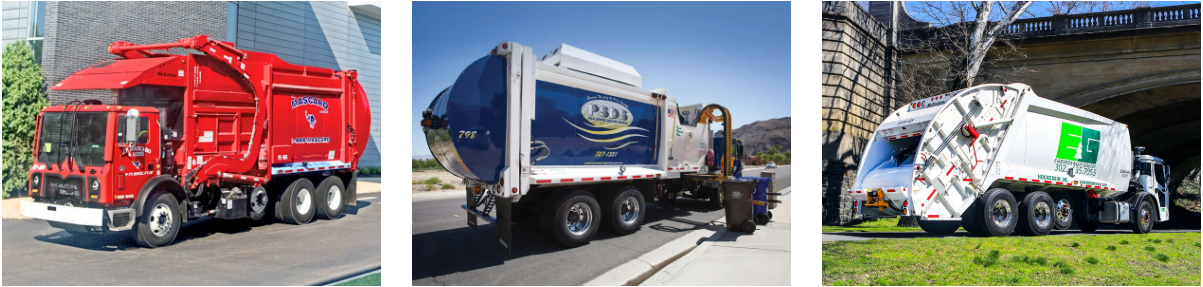
A cab-over places the driver above or ahead of the front axle, which shortens the truck and tightens the turning radius. That is a big advantage on narrow residential streets, alleys, and cul-de-sacs. Low-entry cabs also make it easier for drivers to get in and out on routes with frequent stops. The tradeoff is a firmer ride on longer hauls and a different service access layout.
Conventional (Engine Forward)
A conventional chassis puts the engine ahead of the cab. It rides better over distance, often makes engine service simpler, and many drivers prefer the seating position. The downside is length. A conventional truck has a wider turning circle, which can be a problem on tight collection routes.
Axle Configuration: Carry the Load Legally
Axles decide how much weight you can carry and how that weight is spread across the road. Get this wrong and you either run under capacity or risk being overweight.
Single Axle
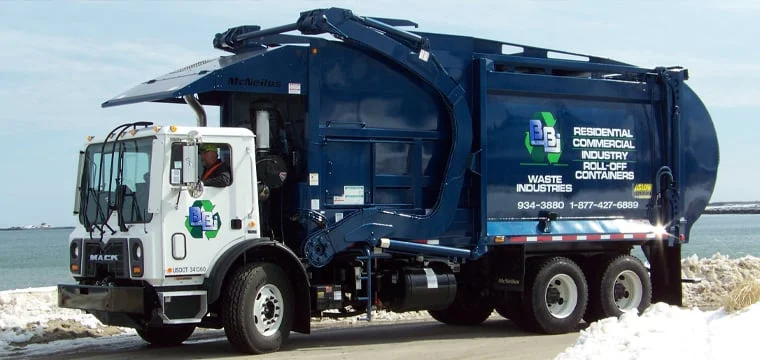
Lighter, more maneuverable, and lower cost. A single rear axle suits routes with lower payloads and frequent tight turns. The limit is how much you can legally carry before you hit axle weight rules.
Tandem Axle
Two rear axles spread the load and raise legal payload. Tandems fit commercial front loader routes and longer collection runs where you want fewer trips to the transfer station. They cost more and turn wider.
Tag and Pusher Axles
An added lift axle, like the setup used on a tag axle rear loader, raises payload while keeping the truck legal under bridge weight rules. You can lift it when empty to save tire wear and lower it when loaded. Haaker Refuse offers this on the Tag Axle Series rear loader.
Federal and state weight rules govern how axle spacing translates to legal load. The Federal Highway Administration explains the math behind axle spacing and legal weight in its truck size and weight overview.
Match the Chassis to the Body
The body and chassis have to work as a system. A heavy high-compaction body on an undersized chassis wastes capacity and wears parts early. A few common pairings make the point.
Front Loaders
Commercial front loader routes move heavy containers and benefit from tandem axles and strong frames. Browse options on the front loaders page.
Side Loaders
Automated side loaders on residential routes value maneuverability, so a tight-turning chassis and a drive position that supports curbside operation matter most. See the side loaders page.
Rear Loaders
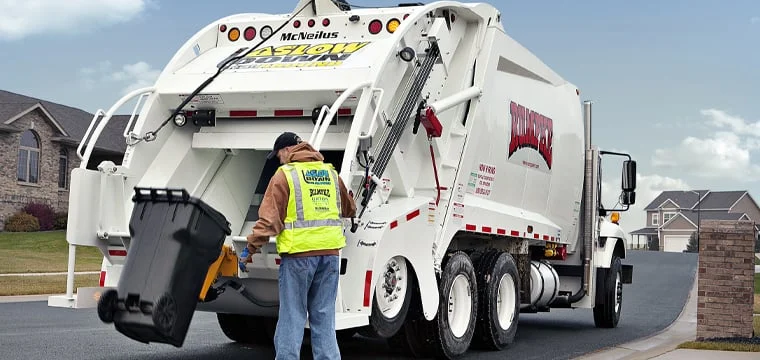
Rear loaders range from light standard bodies to heavy high-compaction units, so chassis choice should track the body weight and the payload you target. See the rear loaders page.
Chassis Selection Comparison
| Need | Best cab style | Best axle setup |
|---|---|---|
| Tight residential streets and alleys | Cab-over / low entry | Single axle |
| Heavy commercial front load routes | Either, frame strength first | Tandem axle |
| High payload, fewer transfer trips | Either | Tandem or tag axle |
| Long highway miles between stops | Conventional | Tandem axle |
| Frequent driver entry and exit | Low entry cab-over | Single axle |
| Maximize legal weight | Either | Tag / lift axle |
Decision Framework: Spec the Chassis to the Route
- If your routes are tight residential streets, choose a cab-over or low-entry cab with a single axle for maneuverability.
- If you run heavy commercial containers, choose a strong frame with a tandem axle.
- If you want fewer trips to the transfer station, spec a tandem or tag axle to raise legal payload.
- If drivers cover highway miles between stops, a conventional cab rides better over distance.
- If entry and exit happen dozens of times a shift, a low-entry cab reduces driver fatigue and injury risk.
- If you keep hitting weight limits, add a tag axle rather than running under capacity.
Frequently Asked Questions
What is the difference between a cab-over and a conventional refuse truck?
A cab-over places the driver over or ahead of the front axle, making the truck shorter and tighter-turning, which suits urban and residential routes. A conventional puts the engine ahead of the cab for a smoother highway ride and often easier engine access. The best choice depends on how tight your routes are and how many highway miles you cover.
Do I need a tandem axle for my refuse truck?
You need one if your payload exceeds what a single axle can carry legally. Tandems suit heavy commercial front loader routes and longer runs where you want fewer transfer trips. If your loads are lighter and your streets are tight, a single axle is more maneuverable and costs less. Match the axle to your real payload.
What does a tag axle do on a rear loader?
A tag axle is a liftable axle that adds load-carrying capacity while keeping the truck within legal weight limits set by axle spacing rules. You lower it when loaded to spread weight and lift it when empty to reduce tire wear. It is a practical way to raise payload without buying a larger, less maneuverable truck.
Can the same body go on different chassis?
Often yes, within limits. McNeilus bodies are engineered for specific chassis types and weight ranges, so the body and chassis must be matched as a system. Putting a heavy body on an undersized chassis wastes capacity and shortens component life. A dealer can confirm which chassis options fit the body you want.
How do weight laws affect chassis choice?
Legal weight is governed by axle ratings and axle spacing under federal and state rules. Those rules cap how much you can carry on a given configuration, which is why adding axles or spacing them out can raise legal payload. Spec your chassis with the loaded weight in mind so the truck is both productive and compliant.
The Bottom Line
The body gets the attention, but the chassis determines whether the truck fits your streets and carries the load you need. Decide the cab style for your routes, the axle setup for your payload, and confirm the chassis and body work as a matched system. Spec it around how you actually run, and you get a truck that turns where it needs to, carries what it should, and lasts.
Why Spec Your Next Refuse Truck With Haaker Refuse Equipment
Haaker Refuse Equipment is the authorized McNeilus refuse and recycling truck dealer for California & Arizona, backed by Haaker Equipment Company’s decades in municipal equipment, six service locations, factory-trained technicians, and a full parts inventory. We help fleets match the right chassis to the right body, from tight-turning cab-overs for residential side loaders to tandem and tag axle setups for heavy front and rear load routes. We spec trucks around your routes and your weight limits, not a one-size build.
Let’s spec your next truck the right way. Call Los Angeles at 909-598-2706, San Diego at 619-569-1946, the Central Valley at 559-220-8897, Colton at 909-370-2100, Northern California at 510-514-0043, or Phoenix at 602-266-8214. You can also request a quote or contact us here.