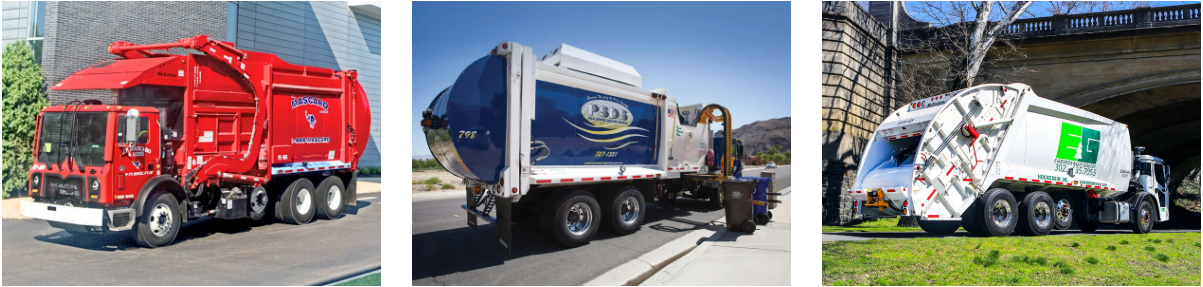
A used refuse truck can be a smart buy or an expensive mistake, and the difference often comes down to a careful inspection before money changes hands. Refuse trucks live hard lives. Stop-and-go routes, heavy loads, and corrosive waste wear out parts that a quick walkaround will not reveal. A used refuse truck inspection done right tells you whether you are buying years of service or a project that will eat your budget. This checklist walks through what to look at, what to test, and what should make you walk away.
Before buying a used refuse truck, inspect the packer and hydraulics under load, check the body and tailgate for cracks and corrosion, review the chassis, brakes, and tires, and pull the maintenance and service history. The body and hydraulic system are where the costly problems hide, so test the packing cycle, not just the engine. When in doubt, have a refuse-truck technician inspect it.
Start With the History, Not the Truck
Before you climb on the truck, ask for records. A truck with documented maintenance is worth more than one with a clean coat of paint and no paperwork.
Maintenance and Service Records
Look for regular preventive maintenance, hydraulic service, and any major repairs. Gaps in the record, or a recent repaint with no history, are warning signs. Records also tell you how hard the truck worked and whether the body was rebuilt.
Hours and Mileage Together
Mileage alone misleads on a refuse truck because the body cycles constantly even when the truck is barely moving. Ask for engine hours and, if available, packer cycles. A low-mileage truck can still have a worn-out body. Treat any thresholds as rules of thumb and verify against the specific unit.

The Body and Packer: Where the Money Hides
The collection body is the most expensive part to repair and the most abused. Spend most of your inspection time here.
Look for Cracks and Corrosion
Check the body floor, walls, packer panel, and tailgate for cracks, heavy rust, and amateur weld repairs. Corrosion from years of wet, acidic waste weakens the structure. Pay close attention to the lower body and the hopper, which take the most abuse.
Test the Packing Cycle Under Load
Do not accept an engine-only test. Run the full packing cycle and watch for smooth, complete motion. Listen for grinding, watch for jerky movement, and confirm the blade and tailgate seal properly. A weak or uneven cycle points to hydraulic or structural problems.
Check the Tailgate and Seals
The tailgate should open, close, and seal cleanly. Leaking seals make a mess and signal wear in the latching and hydraulic systems.
Hydraulics: The System That Does the Work
Hydraulics drive everything that lifts, packs, and dumps. Problems here are common and can be costly.
Inspect for Leaks
Look at cylinders, hoses, fittings, and the pump for leaks and seepage. Fresh fluid over old stains can hide a chronic leak, so look closely.
Watch the Cylinders
Check cylinder rods for scoring and pitting. Damaged rods chew through seals and lead to repeat repairs. Confirm the cylinders hold position under load rather than drifting.

Chassis, Brakes, and Tires
The chassis carries it all, and refuse routes are hard on brakes and tires.
Frame and Suspension
Inspect the frame rails for cracks, bends, and corrosion, especially near the body mounts. Check suspension components for wear and leaks.
Brakes
Stop-and-go collection burns through brakes. Check pad and drum wear, air system integrity, and look for recent brake work in the records.
Tires
Look at tread depth and uneven wear, which can hint at alignment or suspension issues. Tires are a known cost, so factor replacement into your offer.
Used Refuse Truck Inspection Checklist
| Area | What to check | Red flag |
|---|---|---|
| History | Maintenance records, hours, cycles | No records or sudden repaint |
| Body | Cracks, corrosion, weld repairs | Structural rust or bad welds |
| Packer | Full cycle under load | Jerky, slow, or noisy motion |
| Hydraulics | Leaks, cylinder rods, pressure | Active leaks, scored rods, drift |
| Tailgate | Seal, latch, operation | Leaking or misaligned seal |
| Chassis | Frame, suspension, mounts | Frame cracks or bends |
| Brakes/Tires | Wear, air system, tread | Heavy wear, air leaks |
Decision Framework: Buy, Negotiate, or Walk
- If the records are complete and the packer cycles cleanly, you have a strong candidate to buy.
- If there are minor leaks or worn tires and brakes, negotiate the price down to cover the repairs.
- If the body shows structural cracks or heavy corrosion, walk away, since body repair can exceed the truck’s value.
- If the packing cycle is weak or erratic, get a technician’s diagnosis before any offer.
- If there are no maintenance records at all, treat it as a higher-risk buy and price accordingly.
- If you cannot inspect it under load, do not buy it sight-unworked.
Frequently Asked Questions
What is the most important thing to check on a used refuse truck?
The body and packer under load. The collection body and hydraulic packing system are the most expensive parts to repair and the most heavily worked. Always run the full packing cycle and inspect the body for cracks and corrosion. An engine that runs well means little if the body that does the work is worn out.
How many miles or hours is too many for a refuse truck?
There is no single number, because the body cycles constantly even at low mileage. A low-mileage truck can have a worn body, and a higher-mileage truck with strong records can still have plenty of life. Look at engine hours, packer condition, and maintenance history together rather than mileage alone.
Should I get a professional inspection before buying?
Yes, especially if you are not a refuse-truck technician. A specialist can test the hydraulics and packer under load and spot structural and frame issues that are easy to miss. The cost of an inspection is small next to the cost of a failed body or hydraulic system after purchase.
What are the biggest hidden costs on a used garbage truck?
Body and hydraulic repairs lead the list. Cracked bodies, worn cylinders, leaking seals, and packer problems can cost more than the truck is worth. Brakes and tires are also predictable expenses on stop-and-go routes. Factor likely repairs into your offer so the total cost stays reasonable.
Is buying used or renting smarter for a short-term need?
For short-term or seasonal needs, renting often makes more sense because you avoid repair risk and capital outlay. Buying used fits when you need a long-term addition and can verify the truck’s condition. Haaker Refuse offers new, used, and rental options so you can match the choice to the need.
The Bottom Line
A used refuse truck is only a deal if the body and hydraulics have life left. Pull the records, test the packer under load, and inspect the body and frame for the damage that quick walkarounds miss. When the condition checks out, used can save real money. When it does not, walking away is the cheapest decision you will make.
Why Buy Your Used Refuse Truck From Haaker Refuse Equipment
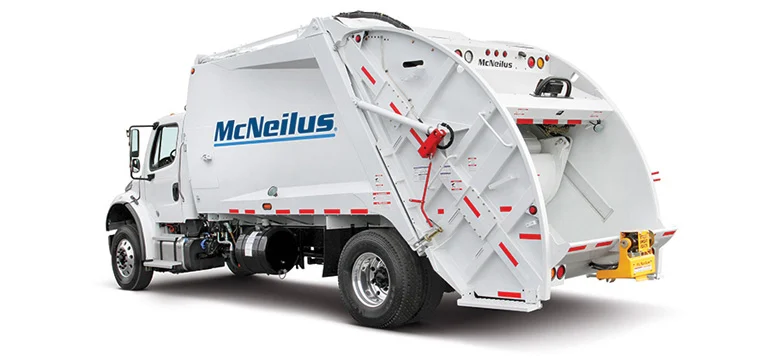
Haaker Refuse Equipment is the authorized McNeilus refuse and recycling truck dealer for California & Arizona, backed by Haaker Equipment Company’s decades in municipal equipment, six service locations, factory-trained technicians, and a full parts inventory. We offer new, used, and rental refuse trucks, and our technicians know exactly what to inspect on a used body and hydraulic system. Buy from us and you get equipment backed by real service and parts support, not a handshake and a hope.
Looking at used trucks? Talk to us first. Call Los Angeles at 909-598-2706, San Diego at 619-569-1946, the Central Valley at 559-220-8897, Colton at 909-370-2100, Northern California at 510-514-0043, or Phoenix at 602-266-8214. You can also request a quote, see our service department, or contact us here.