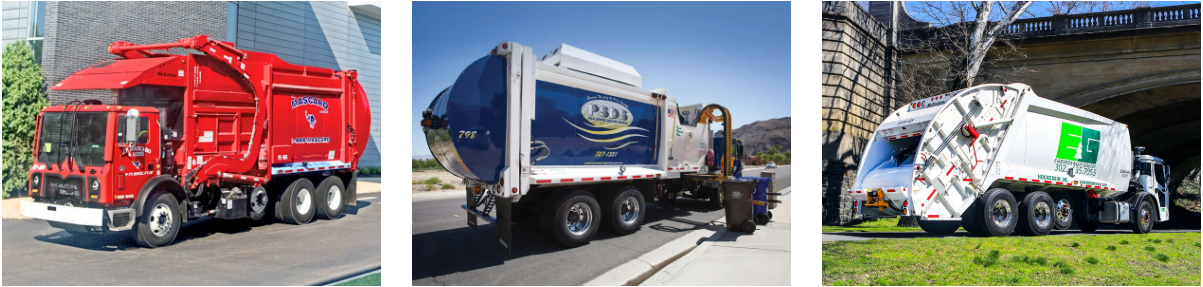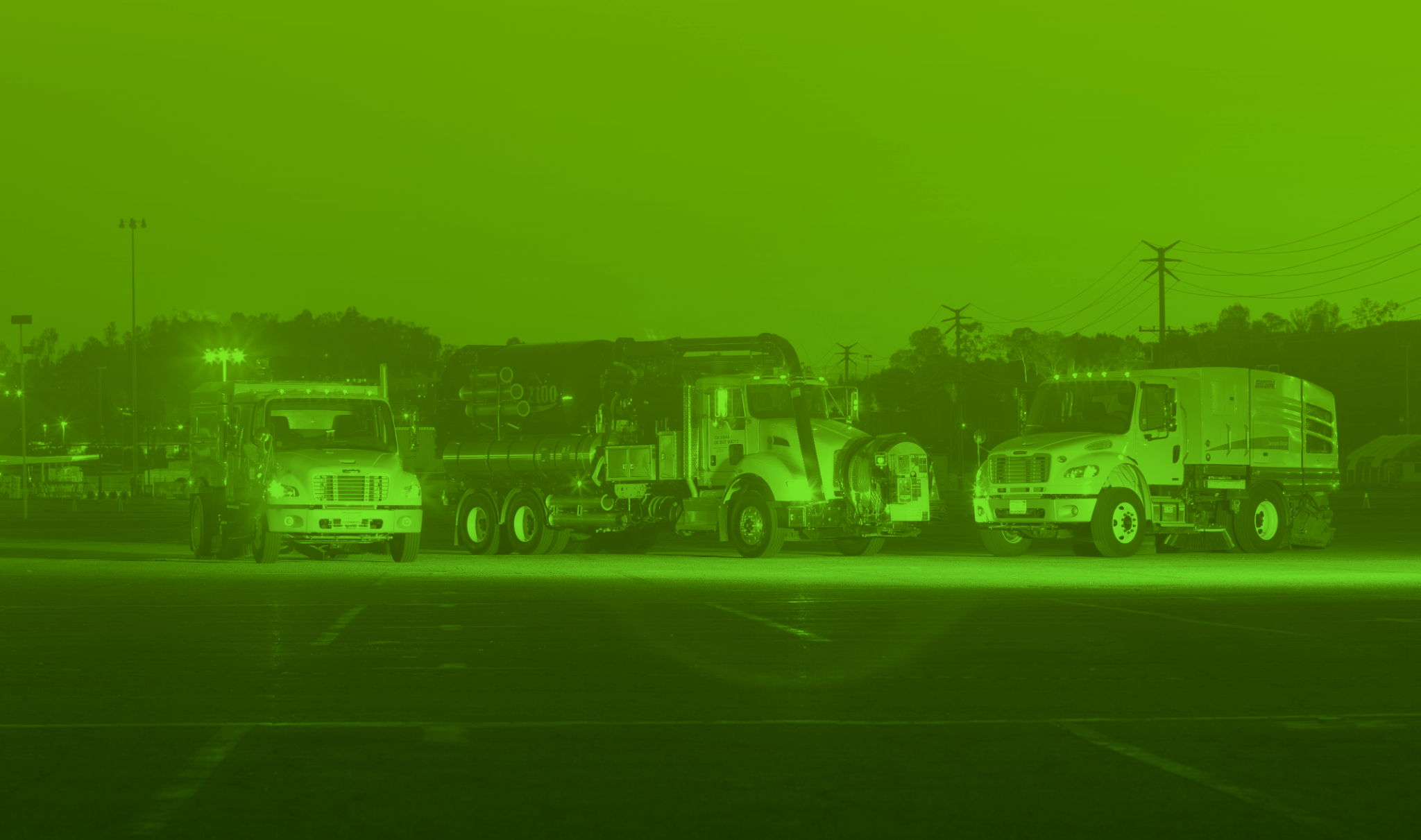
A refuse truck fire used to be rare. Now it is one of the fastest growing safety risks in waste collection, and the cause sits in the load itself. Lithium-ion batteries from phones, vape pens, power tools, and laptops get tossed in the trash every day. When the packer blade crushes them, they can ignite inside the body, sometimes minutes after the material is loaded. A good refuse truck fire detection system gives the driver the warning needed to dump the load and call for help before a small flare-up becomes a destroyed truck. This article explains why these fires happen, what they cost, and how onboard thermal detection protects your crew and your fleet.
Refuse truck fire detection uses thermal sensors mounted in the body to watch for early heat signatures inside the compactor. When temperatures spike, the system alerts the driver in the cab with visual and audible alarms so the load can be dumped before flames spread. It is the most effective defense against the rising number of lithium-ion battery fires in garbage trucks.
Why Garbage Truck Fires Are on the Rise
The problem is not the trucks. It is what ends up inside them. Rechargeable lithium-ion batteries are in almost every consumer device now, and most people do not know they are hazardous waste. When they reach a collection truck, two things go wrong.
Crushing Triggers Thermal Runaway
When a packer blade compresses a lithium-ion cell, the internal layers short circuit. That can start thermal runaway, a chain reaction where the battery heats rapidly and ignites surrounding material like paper, cardboard, and plastic. The fire can start deep in a packed load where the crew cannot see it.
The Fuel Is Already There
A refuse body is packed with dry, combustible material. Once a battery ignites, it has everything it needs to spread fast. The U.S. Environmental Protection Agency has documented the growing danger of improperly discarded batteries in the waste stream on its used lithium-ion batteries guidance.
What a Single Truck Fire Actually Costs
The damage goes well beyond the truck. A fire on route puts the driver and the public at risk, can shut down a street, and pulls a vehicle out of service for weeks or longer. Replacing a body or a whole truck is expensive, and the lost route time compounds the hit.
People First
The biggest risk is to the driver and anyone nearby. A load fire can produce toxic smoke and force a fast, stressful response in traffic. Early warning gives the crew time to act safely.
Equipment and Downtime
Hydraulics, wiring, and the body itself are vulnerable once a fire takes hold. Even a contained fire can mean a long repair and a truck off the route. For fleets already stretched thin, one lost truck strains the whole operation.
How Onboard Thermal Fire Detection Works
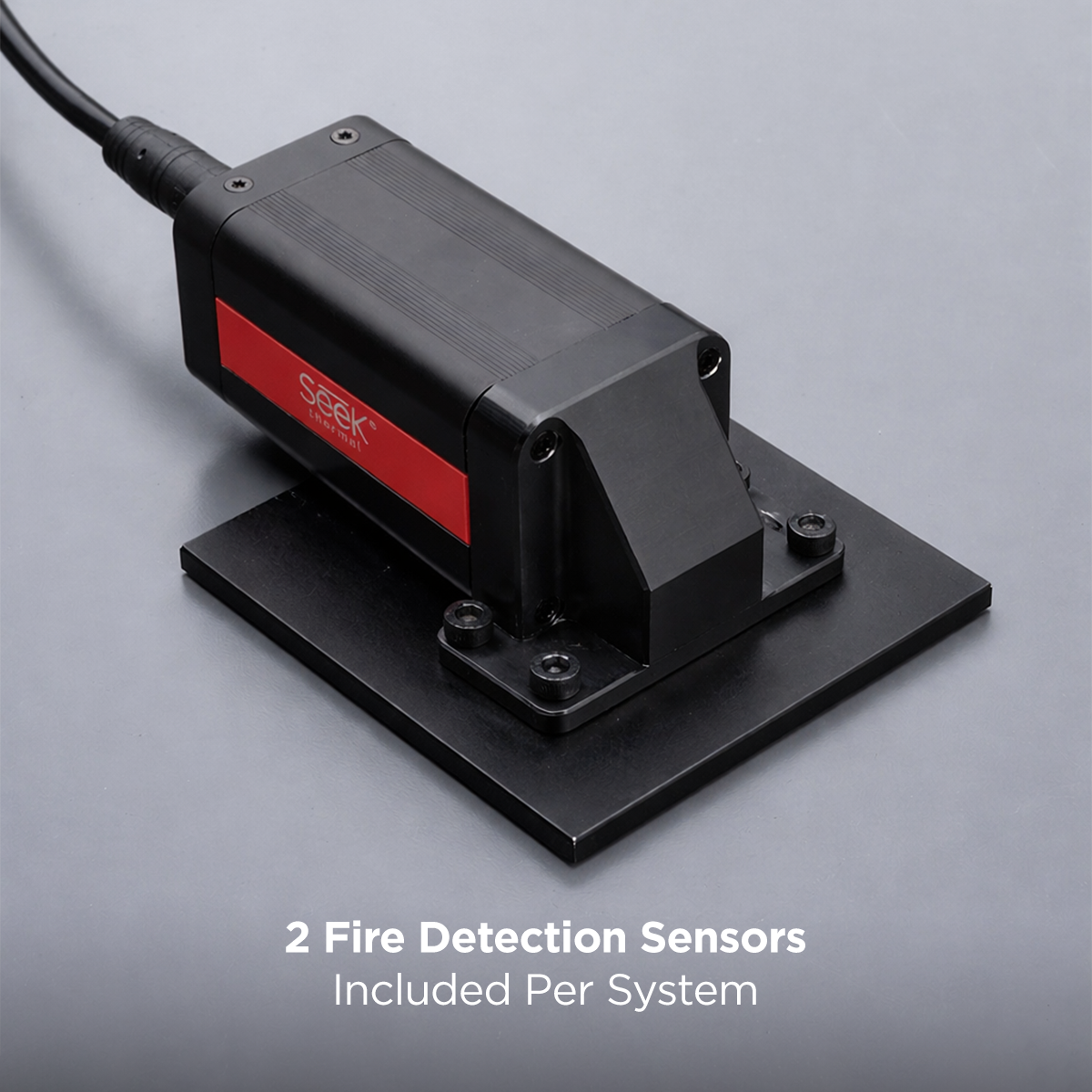
Modern refuse truck fire detection is built specifically for the conditions inside a packer body. The system Haaker Refuse offers uses Seek Thermal Guardian Series technology designed for garbage trucks.
Thermal Sensors Watch the Compactor
Dual thermal sensors cover the compactor area and continuously scan for early heat signatures. According to the product specifications, the system detects across a wide thermal range, from below freezing to well over 1,000 degrees Fahrenheit, so it catches a hot spot long before open flame. Please verify exact detection ranges against the current Seek Thermal spec sheet.
In-Cab Alerts for Fast Response
When the sensors detect a problem, a rugged in-cab touchscreen shows a live thermal feed and triggers clear visual and audible alarms. The driver sees the heat building and can dump the load in a safe spot rather than driving on with a fire growing behind the cab. You can see the full system on the fire detection product page.
Built to Install and Last
The kit is powered by the truck battery through a 12V system and ships with the mounts and cabling needed to install it. It is designed to operate in the dirty, high-vibration environment of a working refuse truck.

Fire Detection vs. Going Without: A Comparison
| Factor | No detection system | Onboard thermal detection |
|---|---|---|
| When you learn of a fire | When you see smoke or flame | At the early heat stage |
| Driver response time | Minimal | Time to dump the load safely |
| Typical damage | Body, hydraulics, possible total loss | Often limited to the load |
| Downtime | Weeks or more | Minimized |
| Crew and public risk | Higher | Lower |
Which Trucks Should Have Fire Detection First
If budget means you add detection in phases, start where the risk is highest.
- If you run residential routes that mix in household electronics, prioritize those trucks, since consumer batteries are most common there.
- If you operate high-compaction rear loaders, add detection early, because tight packing increases the chance of crushing a cell.
- If your trucks collect from electronics retailers or commercial sites, cover them, as battery volume tends to be higher.
- If a truck is hard to replace or central to your routes, protect it first to avoid a crippling loss.
- If you are spec’ing new trucks, add detection at build time so it is integrated from day one.
Frequently Asked Questions
What causes most refuse truck fires?
Improperly discarded lithium-ion batteries are a leading cause. When the packer blade crushes a battery, it can short circuit and enter thermal runaway, igniting the dry material around it. Because the load is full of combustible paper and plastic, a single crushed cell can start a fast-spreading fire inside the body.
How does an in-cab fire detection system help the driver?
It gives early warning. Thermal sensors detect a heat spike before flames appear, then alert the driver with visual and audible alarms and a live thermal feed. That warning lets the driver dump the load in a safe location and call for help, instead of unknowingly driving with a fire growing behind the cab.
Can fire detection be added to trucks I already own?
Yes. The Seek Thermal Guardian kit is designed to install on existing refuse trucks using the truck’s 12V power and the included mounts and cabling. You do not need a new truck to add protection. Haaker Refuse can advise on fit for your specific bodies and help with installation.
Does fire detection put out the fire automatically?
The detection system’s job is to find heat early and alert the driver, not to extinguish the fire on its own. The fastest, safest response is for the driver to dump the load once warned. Early detection is what makes that response possible before serious damage occurs.
Is this only a California problem?
No. Lithium-ion battery fires affect refuse fleets everywhere, including Arizona and Nevada, because consumer batteries are in the waste stream nationwide. Any fleet running compaction bodies on residential or commercial routes faces the risk, which is why detection is becoming a standard safety upgrade across the West.
The Bottom Line
Battery fires in garbage trucks are rising, and they are not going away as long as devices keep ending up in the trash. You cannot control what the public throws out, but you can control whether your driver gets a warning in time. Onboard thermal fire detection turns a potential total loss into a dumped load and a close call. For the cost of one prevented fire, it pays for itself many times over.
Why Add Fire Detection With Haaker Refuse Equipment
Haaker Refuse Equipment is the authorized McNeilus refuse truck dealer for California & Arizona, backed by Haaker Equipment Company’s decades in municipal equipment, six service locations, and factory-trained technicians. We offer the Seek Thermal Guardian Series fire detection system built specifically for garbage trucks, and we can fit it to new builds or trucks already in your fleet. Our service teams handle installation and support so the protection works on day one.
Protect your crew and your trucks. Reach us in Los Angeles at 909-598-2706, San Diego at 619-569-1946, the Central Valley at 559-220-8897, Colton at 909-370-2100, Northern California at 510-514-0043, or Phoenix at 602-266-8214. See the system on our fire detection page, request a demo, or contact us here.