News

5 Things to Decide Before You Buy a Refuse Truck (And How to Get the Spec Right)

Buying a refuse truck in California or Arizona is not like buying a pickup. The spec decisions you make before you place an order determine how well that truck fits your routes, your crew, your compliance requirements, and your budget for the next 10-plus years. Get the spec right and the truck pays for itself. […]

5 Things to Decide Before You Buy a Refuse Truck (And How to Get the Spec Right) Read More »
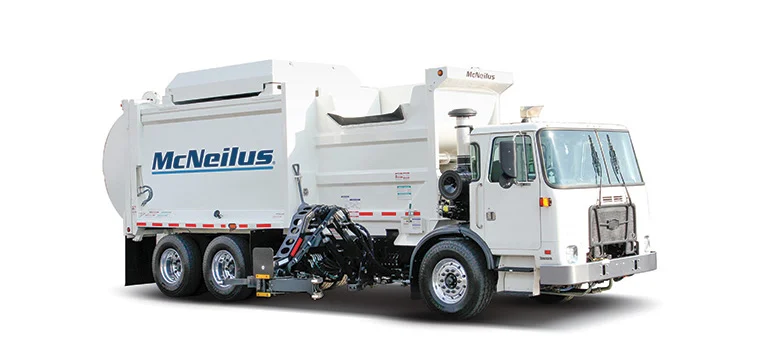
Automated Side Loader vs. Manual Side Loader: The Real Cost Comparison for Residential Routes

The automation question isn’t just about technology. It’s about labor cost, route efficiency, and how much your collection program costs per household served. When you’re running a residential refuse operation, the difference between a manual side loader and an automated side loader directly affects your bottom line every single day. You might think the choice

Automated Side Loader vs. Manual Side Loader: The Real Cost Comparison for Residential Routes Read More »

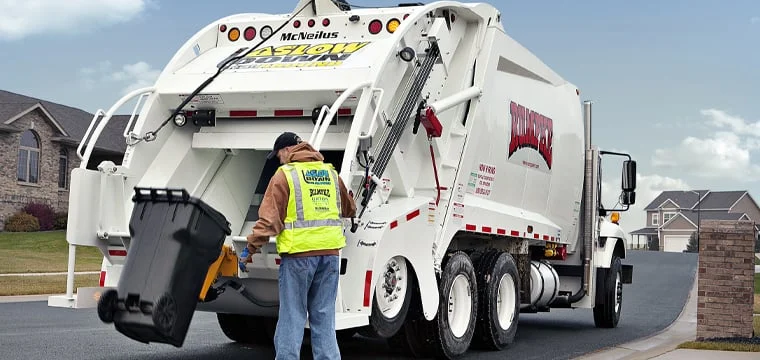
What Is a Split Body Rear Loader and When Does Your Operation Need One?

Most fleet managers know what a rear loader does. It pulls up to the curb, the crew loads refuse into the hopper, the blade rotates and compacts, and the truck moves to the next stop. That’s been the standard for decades. But split body rear loaders solve a problem that standard rear loaders cannot: collecting

What Is a Split Body Rear Loader and When Does Your Operation Need One? Read More »

How California’s CARB Advanced Clean Fleets Rule Is Changing Refuse Truck Purchasing Right Now

If you operate a refuse fleet in California, the CARB Advanced Clean Fleets rule has shifted from future compliance to immediate action. The timelines are tighter than most fleet managers expect, and waiting for perfect timing will cost you money and options. Municipalities, private haulers, and drayage operators all face specific deadlines tied to their

How California’s CARB Advanced Clean Fleets Rule Is Changing Refuse Truck Purchasing Right Now Read More »

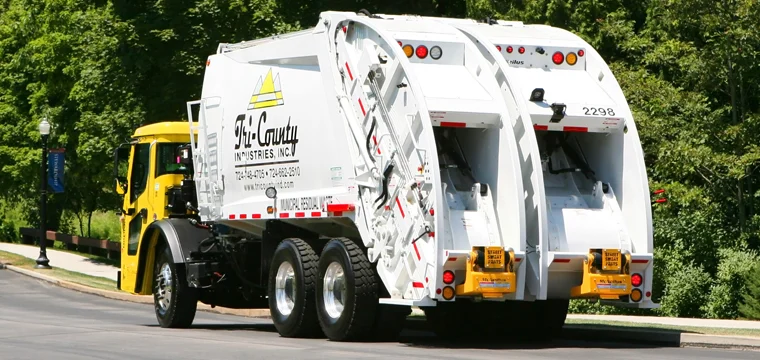
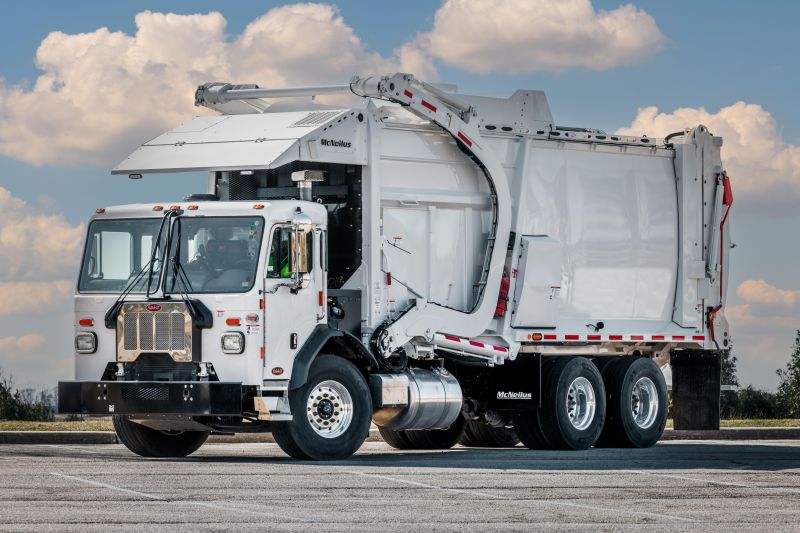
Rear Loader vs. Side Loader vs. Front Loader: Which Refuse Truck Is Right for Your Route?

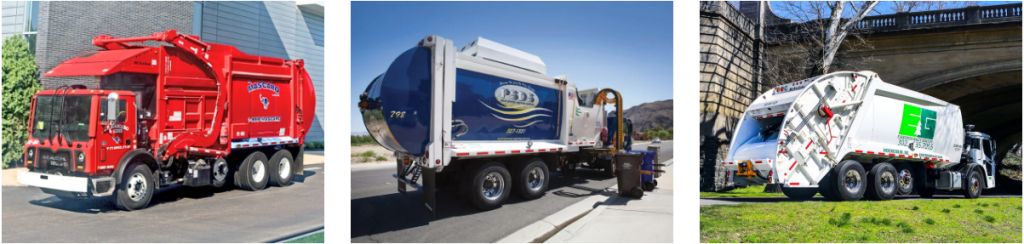
If you’re buying or spec’ing a refuse collection vehicle, the first decision you’ll face isn’t which brand to choose. It’s which body type fits your operation. Rear loaders, side loaders, and front loaders each have a job they were built to do. Match the right body to your routes and you’ll run a faster, leaner,

Rear Loader vs. Side Loader vs. Front Loader: Which Refuse Truck Is Right for Your Route? Read More »

How Payload Optimization Impacts Refuse Truck Route Efficiency in California & Nevada

What Is Payload Optimization? Payload optimization refers to how effectively a refuse truck uses its allowable weight capacity throughout a collection route. An optimized payload allows the truck to: Stay within legal axle and gross vehicle weight limits Fully utilize body volume and compaction capacity Complete routes with fewer dump trips Reduce unnecessary wear on

How Payload Optimization Impacts Refuse Truck Route Efficiency in California & Nevada Read More »

TAG Axle Series Rear Loader: Optimizing Waste Collection for Efficiency and Safety

Introduction: The Challenge of Heavy-Duty Waste Collection Municipal, industrial, and contractor fleets face increasing pressure to maximize efficiency, safety, and compliance in waste collection. Traditional rear loaders can struggle with payload limitations, wear and tear, and operational downtime, impacting service schedules and ROI. The TAG Axle Series Rear Loader from Haaker Refuse addresses these challenges,

TAG Axle Series Rear Loader: Optimizing Waste Collection for Efficiency and Safety Read More »

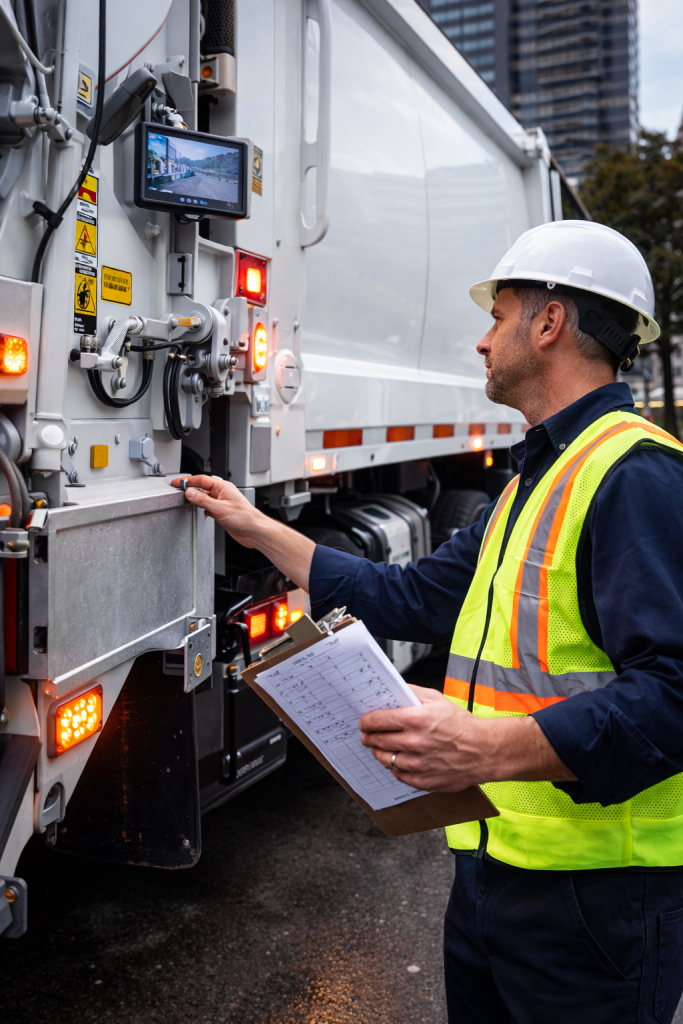
Top Safety Features Every Modern Refuse Truck Should Have

Introduction: The Safety Challenge in Waste Management Operating refuse trucks comes with a unique set of challenges—tight streets, blind spots, heavy equipment, and frequent interaction with pedestrians, cyclists, and other vehicles. Safety isn’t optional; it’s a daily operational necessity. Accidents can cost fleets thousands in repairs, insurance, and downtime, while injuries risk serious liability. Modern

Top Safety Features Every Modern Refuse Truck Should Have Read More »

5 Ways to Improve Safety for Your Waste Management Team

Improving Safety in Waste & Recycling Operations Starts with the Right Equipment and Practices Safety is one of the biggest ongoing challenges in waste and recycling operations. From navigating busy city streets to handling heavy loads and operating complex equipment, waste management teams face daily risks that can lead to injuries, vehicle damage, downtime, and

5 Ways to Improve Safety for Your Waste Management Team Read More »

Top 10 Maintenance Tips to Extend the Life of Your Refuse Vehicles

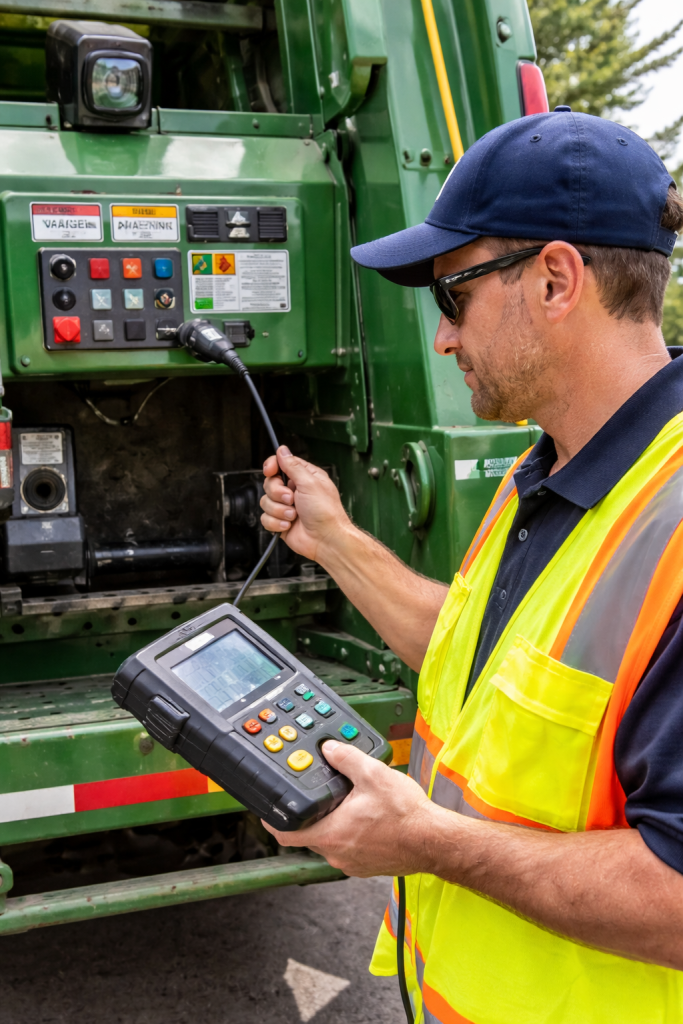
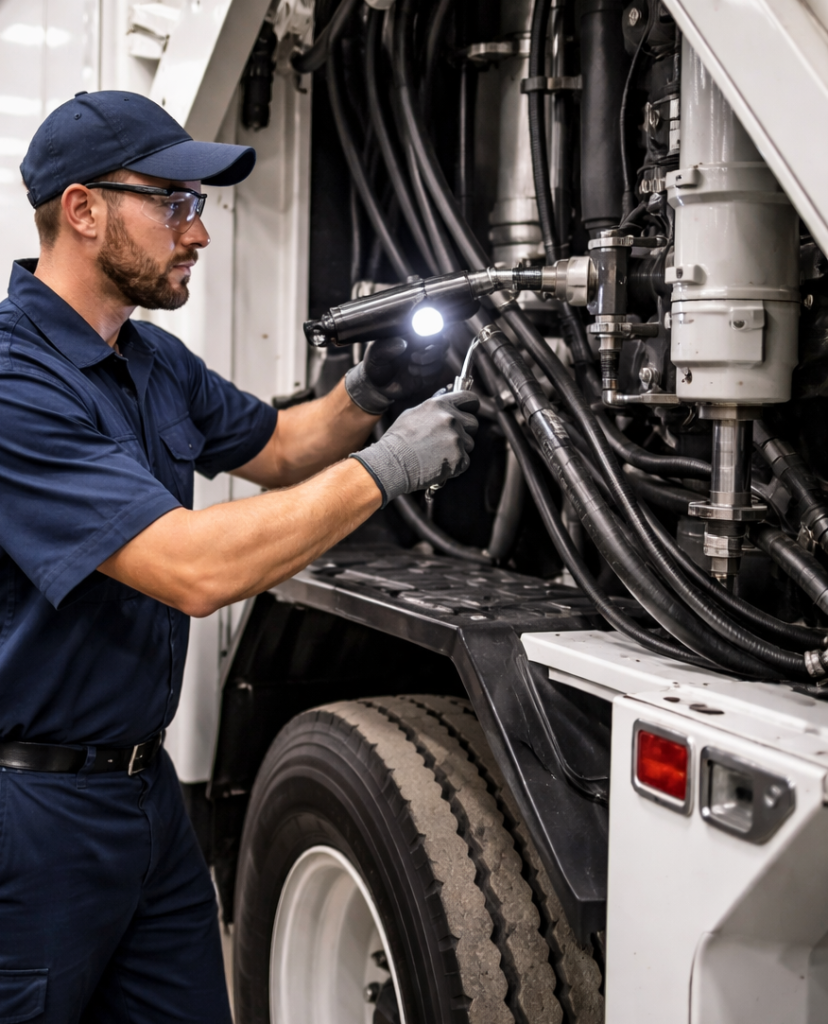
Keeping Refuse Fleets Reliable, Compliant, and Cost-Effective in the Western U.S. Refuse trucks operate in some of the harshest conditions of any commercial fleet. Stop-and-go routes, heavy payloads, hydraulic systems under constant pressure, and exposure to dust, debris, and corrosive materials all accelerate wear. For municipalities, private haulers, and contractors across California, and Arizona, poor

Top 10 Maintenance Tips to Extend the Life of Your Refuse Vehicles Read More »